Human geography studies the relationship between people and their environments. It examines how cultures, economies, and societies shape landscapes. This field explores urban development, migration patterns, and population dynamics. It also considers the impact of human activity on natural resources. Understanding human geography is essential for addressing global challenges. It informs policies on sustainability and urban planning.
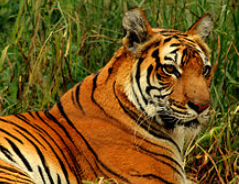
India, a land known for its rich cultural heritage and diverse landscapes, is equally renowned for its remarkable biodiversity. The country's fauna is as diverse as its people,...
Biodiversity, the variety of life on Earth, is a complex and dynamic phenomenon that manifests in a myriad of ways across the globe. Understanding the global patterns of...
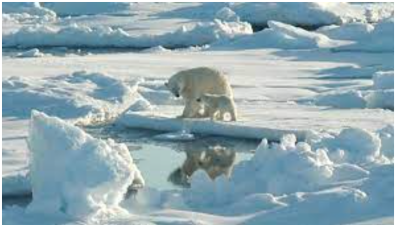
Polar ecosystems, found in the Arctic and Antarctic regions, are unique and fragile environments that play a crucial role in the global climate system. These icy landscapes, characterized...
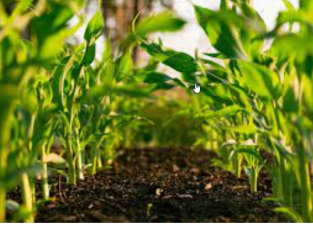
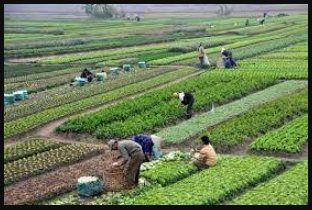
Plantation agriculture plays a crucial role in shaping the geographical landscapes of various regions around the world. This form of large-scale farming involves the cultivation of a single...
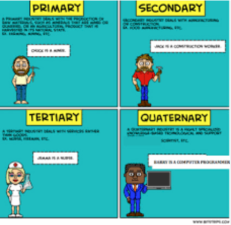
Economic geography is a branch of human geography that investigates the spatial distribution of economic activities and their impact on the world. Within this framework, activities are classified...
Economic Geography delves into the spatial distribution of economic activities, and one crucial facet is the Quaternary sector, encompassing information-based services, research and development, and other knowledge-oriented pursuits....
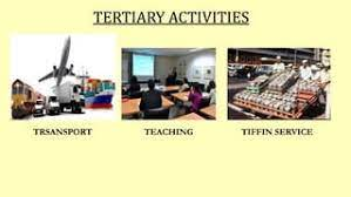
Tertiary activities, also known as the service sector, play a pivotal role in shaping the economic landscapes of nations worldwide. This sector encompasses a diverse range of services...
Economic geography plays a crucial role in understanding the spatial distribution of economic activities and their impact on regional development. One key aspect of economic geography is the...
Economic Geography is a branch of geography that delves into the spatial organization of economic activities and how they interact with the physical environment. This field explores the...
The vast and diverse region historically associated with the Mongol Empire is home to a rich tapestry of ethnic groups, cultures, and landscapes. Geographic Extent The Mongol region...