Invasive species are non-native organisms that disrupt local ecosystems. They can outcompete native species for resources. This leads to biodiversity loss. Invasive species often thrive in new environments due to a lack of natural predators. Their presence can harm agriculture and fisheries. Effective management is crucial to protect native habitats. Awareness and prevention are key to mitigating their impact.
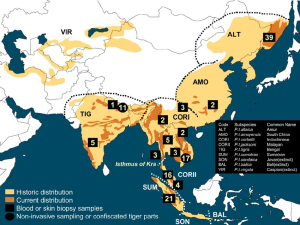
India is renowned for hosting approximately 75 per cent of the world's tiger population. However, recent analyses reveal important disparities in their distribution across the country. The National...
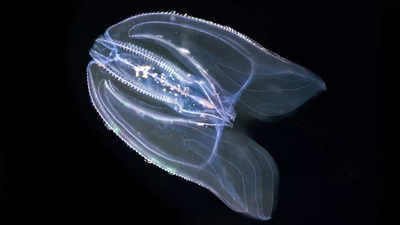
Recent studies reveal fascinating vital information about reverse development in marine organisms. The Turritopsis dohrnii jellyfish, often dubbed the "immortal jellyfish," can revert to an earlier life stage...
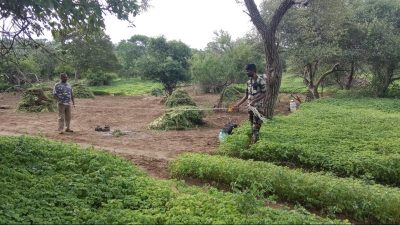
Recent developments in the Mudumalai Tiger Reserve highlight an emerging ecological challenge. The invasive plant species Senna tora has been identified in the buffer zones of the reserve....
The Madras High Court has made strides in addressing the challenge of invasive species in Tamil Nadu's forests. The court's recent directives highlight the urgency of eradicating Senna...
India reaffirmed its commitment to biodiversity conservation by submitting the National Biodiversity Strategy and Action Plan (NBSAP) to the United Nations. This plan articulates 23 national targets aligned...