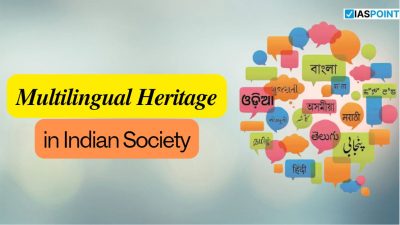
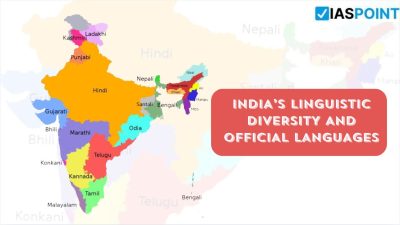
Linguistic diversity refers to the variety of languages spoken within a specific region or community. In India, it showcases a rich tapestry of cultures and traditions. Each language carries unique histories and identities. This diversity enhances communication and fosters understanding among different groups. It also plays a vital role in preserving heritage and promoting inclusivity in society.
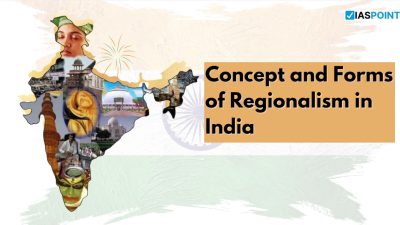
Definition of Regionalism Regionalism is a political ideology that emphasises the interests and culture of a specific region within a country. It often advocates for greater autonomy or...
Definition of Cultural and Linguistic Diversity Cultural diversity refers to the variety of cultural expressions and practices within a society. Linguistic diversity denotes the presence of multiple languages...
Definition of Cultural Pluralism Cultural pluralism refers to the coexistence of multiple cultural groups within a society. Each group maintains its unique cultural identity while contributing to the...
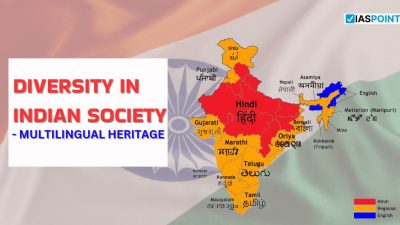
Overview of Linguistic Diversity India is characterised by a vast linguistic diversity, with over 1,600 languages spoken across the country. The Census of 2011 recorded 19,569 distinct mother-tongue...
India's multilingual heritage is a defining characteristic of its society, showcasing a vast array of languages that reflect the country's rich cultural diversity. With over 1,600 languages spoken...
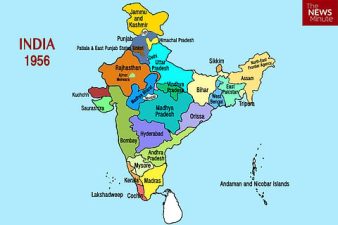
The Reorganisation of States in India was reform post-independence. The States Reorganisation Act of 1956 aimed to reorganise state boundaries based on linguistic and cultural lines. This act...
India is renowned for its linguistic diversity. It is home to over 1,600 languages and dialects. This diversity reflects the country’s rich cultural heritage. Each language carries its...
India is known for its rich linguistic diversity. It has no officially designated national language. Instead, the Constitution addresses multiple languages. The Constitution of India includes provisions for...