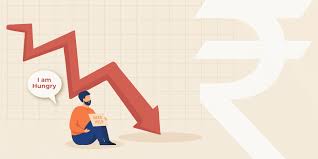
The measurement of poverty is crucial for understanding economic disparities. It assesses income levels and living conditions. Various methods exist, including absolute and relative poverty measures. Absolute poverty focuses on basic needs, while relative poverty considers societal standards. Accurate measurement informs policy decisions. It helps target resources effectively. Understanding poverty is essential for promoting social justice and economic development.
A recent report by NITI Aayog sheds light on India's progress in combating multidimensional poverty. The report highlights a significant reduction in poverty rates over the years, emphasizing...
Unemployment refers to a situation where the persons who are able to work and willing to work at the prevailing wage rate fail to secure jobs. Types of...
The United Nations General Assembly (UNGA) in its 17th session in September 2015 announced a set of 17 SDGs and 169 targets which will stimulate action over the...
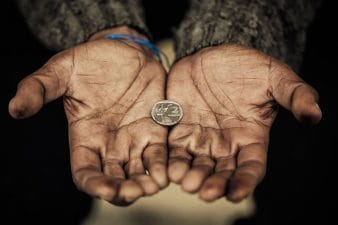
According to the World Bank (2000), 'poverty is pronounced deprivation in well-being.' Well-being is defined as the command over commodities in general, so people are better of if...
The Swadeshi and Anti-Partition Movement (1905–1908) saw the first massive, organized participation of the student community in the Indian national movement. Under the leadership of Extremists like Bal...