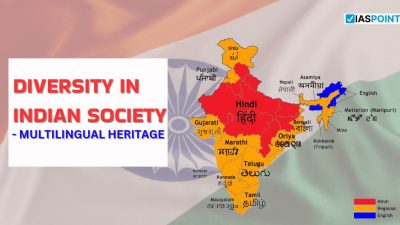
Multilingual education promotes learning in multiple languages. It enhances cognitive skills and cultural understanding. Students gain proficiency in their mother tongue and additional languages. This approach supports diverse communities. It fosters inclusivity and equality in education. Multilingual education can improve academic performance. It prepares students for a globalised world. Such education is vital in countries with rich linguistic diversity, like India.
Overview of Linguistic Diversity India is characterised by a vast linguistic diversity, with over 1,600 languages spoken across the country. The Census of 2011 recorded 19,569 distinct mother-tongue...
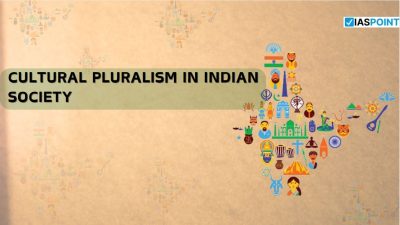
Cultural pluralism in Indian society embodies the coexistence of diverse cultural groups, each preserving its unique identity while contributing to the broader social tapestry. This intricate fabric of...