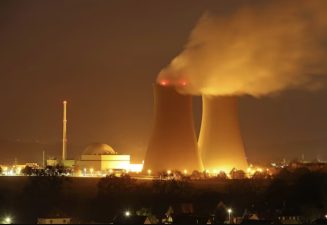
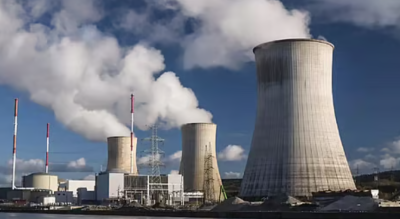
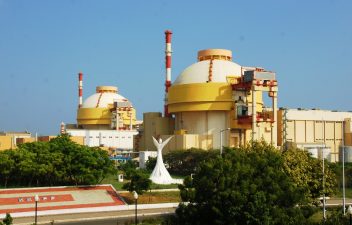
Nuclear energy is a powerful source of electricity. It is generated through nuclear fission. This process splits atomic nuclei, releasing vast amounts of energy. Many countries rely on it for their energy needs. It offers low greenhouse gas emissions. However, concerns about safety and waste disposal persist. The debate continues over its role in sustainable energy futures.
India is preparing to invite bids for the construction of a 220 MWe Bharat Small Modular Reactor (BSMR-200) within the next three to six months. The project is...
Parliament’s passage of the Sustainable Harnessing and Advancement of Nuclear Energy in India (SHANTI) Bill marks a watershed moment in India’s energy policy. For the first time since...
The Sustainable Harnessing and Advancement of Nuclear Energy for Transforming India (SHANTI) Act marks the most consequential reform of India’s nuclear sector since the Atomic Energy Act of...
The Sustainable Harnessing and Advancement of Nuclear Energy for Transforming India Bill, 2025 — or the SHANTI Bill — has triggered a sharp debate over transparency in governance....
Finland stands out as a beacon of hope in the global fight against climate change. The country boasts pristine air and water, abundant forests, and a deep appreciation...