
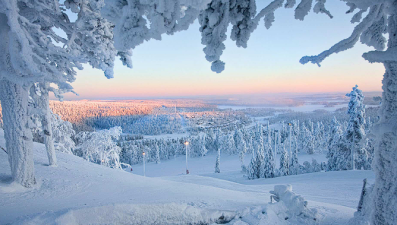
Finland stands out as a beacon of hope in the global fight against climate change. The country boasts pristine air and water, abundant forests, and a deep appreciation for nature. It has been recognised as the happiest nation in the world for seven consecutive years. Despite these advantages, Finland remains committed to reducing carbon emissions and achieving the United Nations Sustainable Development Goals. The nation is well-positioned to lead the way in sustainable practices.
Clean Energy Commitment
Finland’s energy strategy focuses on sustainability. The country generates 94% of its energy from fossil-free sources. Nuclear energy plays role, although it is complemented by renewables. Unlike Germany, which has moved away from nuclear power, Finland is exploring innovative ways to integrate nuclear technology into urban areas. This shift aims to provide clean heating solutions for homes and communities.
Advancements in Nuclear Technology
Small Modular Reactors (SMRs) are at the forefront of Finland’s energy innovation. These compact reactors are designed for residential and district heating systems. The Finnish company Steady Energy is pioneering this technology, which promises to reduce reliance on combustion-based energy. The focus is on environmental sustainability and making energy accessible.
Alternative Food Solutions
Finland is also addressing global food security through innovative research. The Bioruukki centre is investigating alternative fuels and sustainable packaging solutions. Meanwhile, Solar Foods has developed a novel protein source called Solein. This product is made using hydrogen, carbon dioxide, oxygen, and nitrogen with the help of a microbe. Solein offers 70% protein content and can be produced anywhere, making it a game-changer for food crisis areas.
The Concept of Carbon Handprint
Researchers in Finland have introduced the concept of ‘carbon handprint.’ This metric quantifies the positive environmental impact of products, complementing the traditional carbon footprint measurement. The goal is to transition from carbon neutrality to becoming climate positive, where emissions are not only neutralised but also reduced.
Hydrogen’s Role in Sustainability
Hydrogen is central to Finland’s ambition of achieving carbon neutrality by 2035. However, extracting hydrogen is complex and costly. Finnish industries are actively researching ways to simplify this process. Initiatives by companies like Hycamite and Wartsila are paving the way for efficient hydrogen extraction methods.
Collaborative Efforts for a Sustainable Future
The Finnish government and private sector are collaborating on cleantech initiatives. They believe that sustainable practices can drive economic growth. Markku Kivisto, from Business Finland, emphasises that environmental responsibility can be profitable. This collaborative spirit is essential for addressing global climate challenges.
Questions for UPSC:
- Examine the role of nuclear energy in Finland’s transition to sustainable energy solutions.
- Discuss the significance of hydrogen in achieving carbon neutrality in Finland’s climate strategy.
- Analyse the impact of innovative food production methods on global food security.
- Critically discuss the concept of ‘carbon handprint’ and its implications for environmental sustainability.
Answer Hints:
1. Examine the role of nuclear energy in Finland’s transition to sustainable energy solutions.
- Nuclear energy contributes to Finland’s energy mix, providing a reliable source of power.
- 94% of Finland’s energy is fossil-free, with nuclear and renewables playing key roles.
- Finland is exploring innovative ways to integrate small modular reactors (SMRs) into urban settings.
- Unlike other countries, Finland embraces nuclear as part of its clean heating solutions.
- The country is committed to reducing reliance on combustion-based energy through nuclear advancements.
2. Discuss the significance of hydrogen in achieving carbon neutrality in Finland’s climate strategy.
- Hydrogen is central to Finland’s goal of carbon neutrality by 2035.
- It serves as a clean energy source, crucial for reducing greenhouse gas emissions.
- Extraction of hydrogen is complex; Finnish industries are innovating to simplify this process.
- Companies like Hycamite and Wartsila are leading research in efficient hydrogen production methods.
- Hydrogen’s role is very important in transitioning to sustainable energy and supporting economic growth.
3. Analyse the impact of innovative food production methods on global food security.
- Innovative methods like Solar Foods’ Solein offer high-protein food production with minimal land use.
- Solein can be produced anywhere, making it a viable solution for food crisis areas.
- Research at the Bioruukki centre focuses on sustainable packaging and alternative fuels to enhance food security.
- These advancements address both environmental concerns and the need for efficient food production.
- Innovative food technologies can reduce the carbon footprint associated with traditional agriculture.
4. Critically discuss the concept of ‘carbon handprint’ and its implications for environmental sustainability.
- ‘Carbon handprint’ measures the positive environmental impact of products, complementing carbon footprint analysis.
- This concept encourages companies to focus on reducing their overall emissions while promoting sustainability.
- It aims for a transition from carbon neutrality to being climate positive, enhancing environmental benefits.
- By quantifying positive impacts, it encourages innovation in sustainable practices across industries.
- The adoption of carbon handprint metrics can drive a shift toward more responsible production and consumption patterns.