Religious tolerance is the acceptance of diverse religious beliefs and practices. It promotes harmony among different faiths. In India, this principle is rooted in its secular constitution. The country’s rich cultural history showcases various religions coexisting. Laws protect individuals' rights to practice their faith. Religious tolerance fosters social cohesion and peace. It is essential for a thriving, multicultural society.
Introduction to Religious Diversity in India India is one of the most religiously diverse countries globally. It is home to numerous religions, including Hinduism, Islam, Christianity, Sikhism, Buddhism,...
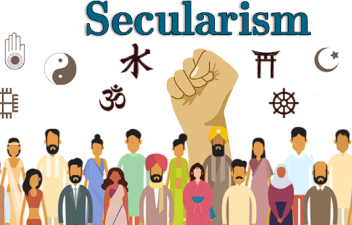
Indian secularism is often defined as the separation of religion from the State. It aims to ensure that all religions receive equal treatment and respect. The Constitution of...
India is renowned for its remarkable religious diversity. It is home to nearly all major world religions. The country is the birthplace of four religions - Hinduism, Buddhism,...
Sufism is a mystical Islamic belief system. It emphasises the inward search for God and shuns materialism. Sufi practitioners, known as Sufi Saints, seek a personal connection with...
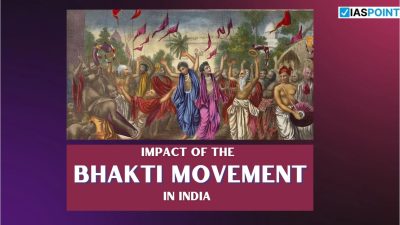
The Bhakti movement was socio-religious reform that emerged in India. It began in South India in the 9th century and spread across the country by the 16th century....
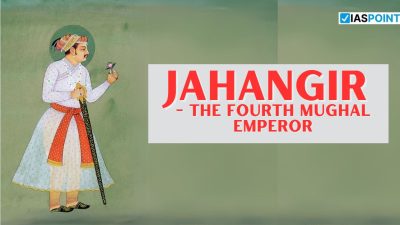
Jahangir, born Nur-ud-din Muhammad Salim, was the fourth Mughal emperor. He ruled from 1605 to 1627. He was the son of Akbar the Great and Empress Mariam-uz-Zamani. Jahangir...
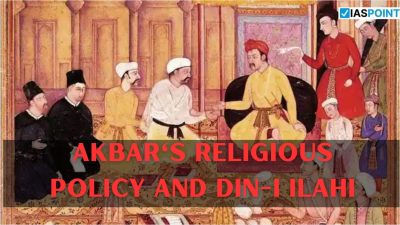
Akbar the Great ruled the Mughal Empire from 1556 to 1605. His reign is notable for its progressive policies, particularly in religion. Akbar aimed to unify his diverse...
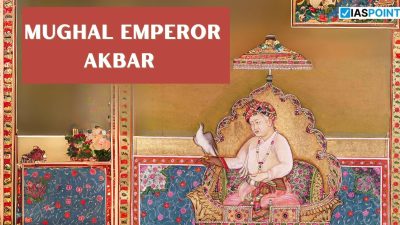
Mughal Emperor Akbar, also known as Jalal-ud-din Muhammad Akbar, was the third ruler of the Mughal Empire. His reign lasted from 1556 to 1605. Akbar was born on...
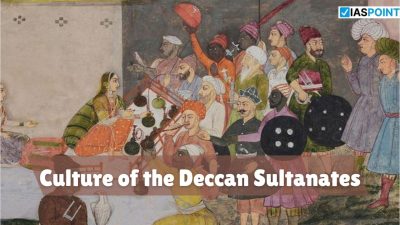
The Deccan Sultanates were five independent Muslim kingdoms in South India. They emerged after the decline of the Bahmani Sultanate in the 16th century. The sultanates included Ahmadnagar,...
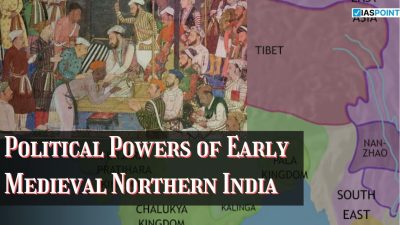
The early medieval period (750-1000 CE) in Northern India was characterised by the dominance of three major political powers - the Gurjara-Pratiharas, the Palas, and the Rashtrakutas. These...