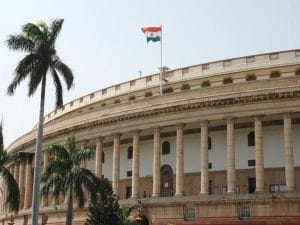
The Legislature is a vital component of government. It is responsible for making laws. In India, it consists of two houses: the Lok Sabha and the Rajya Sabha. Members are elected and appointed. The Legislature debates issues and represents the public. It plays a crucial role in shaping policies. Its functions include approving budgets and overseeing the executive branch.
Recently, the Knesset, Israel's parliament, passed a crucial provision of a comprehensive judicial reform bill aimed at limiting the authority of the Supreme Court. Known as the "reasonableness...
Parliamentary privilege is a set of special rights and immunities enjoyed by members of parliament to enable them to perform their parliamentary duties without any hindrance. These rights...
In the realm of parliamentary politics, the term "whip" is used to describe a written order or direction given to members of a political party in a legislative...
What is mandatory minimum sentencing? Mandatory minimum sentencing refers to a predetermined minimum punishment for certain offenses, with the intention of ensuring justice and preventing perpetrators from going...
The All India Presiding Officers' Conference (AIPOC) is a body that represents the Legislatures of India and has completed its hundred years in 2021. The upcoming 83rd session...
Background The Act of 1858 made changes in the Home government in'particular. The administration of India was left untouched. The'revolt of 1857-1858 had established the fact that significant'changes...
China approved a sweeping overhaul of Hong Kong's electoral system. The country drastically curbed democratic representation in the city. This has been done as the authorities seek to...