Migration occurs in various forms. People move for work, education, or family reasons. Economic migration seeks better job opportunities. Refugee migration results from conflict or persecution. Seasonal migration follows agricultural cycles. Internal migration involves moving within a country. Each type has unique impacts on society and culture. Understanding these differences is crucial for effective policy-making and support systems. Migration shapes communities and economies globally.
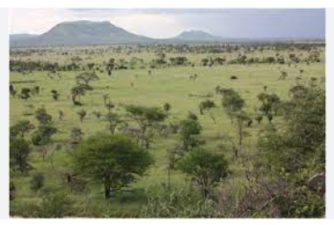
Savannas and grasslands are dynamic ecosystems that cover vast expanses of the Earth's surface, playing a crucial role in biodiversity, climate regulation, and supporting various ecosystems. Savannas and...
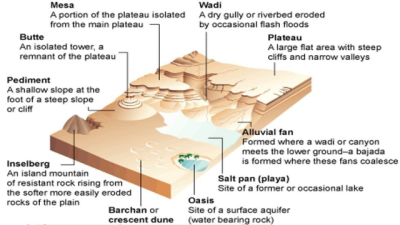
Nature's constant dance with the elements gives rise to mesmerizing landscapes, shaped by the relentless force of wind. These landscapes, known as aeolian landforms, are formed through the...
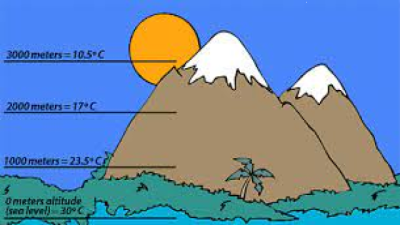
Temperature distribution is a crucial aspect of weather and climate patterns that directly impacts the environment, ecosystems, and human life. Understanding the different types of temperature distribution, both...
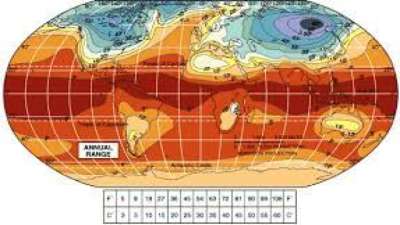
The annual range of temperature, also known as the temperature range, refers to the difference between the highest and lowest temperatures recorded in a specific location over the...
Tides, one of nature's most mesmerizing phenomena, have fascinated humankind for centuries. These rhythmic rise and fall of ocean waters hold a profound impact on coastal ecosystems, human...
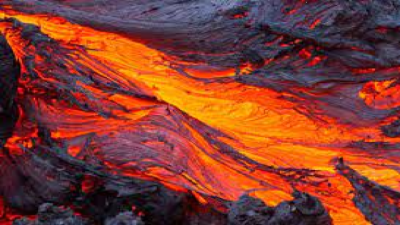
The Earth's interior is a mysterious and dynamic realm that has fascinated scientists for centuries. At the core of this intrigue lies magma, a molten mixture of rock,...
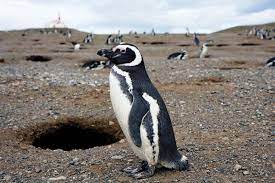
The coastal regions of eastern Uruguay have recently witnessed a heartbreaking environmental tragedy, as approximately 2,000 Magellanic penguins fell victim to avian influenza in the last 10 days....
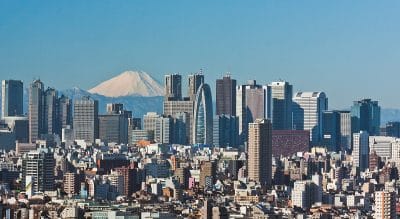
Urban settlements are defined by high population density, a predominance of secondary and tertiary economic activities, and a complex administrative structure. Unlike rural settlements, which are often organic,...
1. Fundamentals of Society: (a) Modernity and social changes in Europe and emergence of sociology. (b) Scope of the subject and comparison with other social sciences.(c) Sociology and...
Paper ' I: 1. Non-chordata and Chordata: (a) Classification and relationship of various phyla up to subclasses: Acoelomate and Coelomate, Protostomes and Deuterostomes, Bilateria and Radiata; Status of...