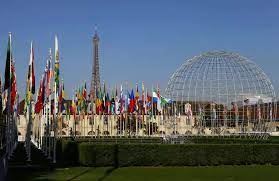
The UNESCO List of Intangible Cultural Heritage recognises traditions and practices that enrich human culture. It includes music, dance, rituals, and crafts. These elements reflect the identity of communities worldwide. The list aims to promote awareness and safeguard these cultural expressions. It highlights the importance of preserving heritage for future generations. Each entry showcases the diversity of human creativity and cultural significance.
The United States' decision to rejoin UNESCO after a decade-long dispute over the inclusion of Palestine as a member state marks a significant turning point in international relations....
Hawker culture is the tradition or heritage of Singapore wherein people dine together at hawker centres or open-air food courts. The hawker centres were set up in the...
The List of Intangible Cultural Heritage was established by the UNESCO (United Nations Educational, Scientific and Cultural Organization) to ensure better protection of important and major intangible cultural...
The Hawker Culture in Singapore have got the recognition from UNESCO. Hawker Culture Hawker culture is a popular Singaporean style of street dining and culinary practices. It is...
The Ministry of Culture has recently unveiled the draft National List of Intangible Cultural Heritage (ICH) of India. This initiative is a significant step towards acknowledging the richness...
The Chief Minister of Rajasthan is set to present the United Nations Educational, Scientific and Cultural Organisation (UNESCO) world heritage site certificate for Jaipur to the people on...
In a recent development, the President of Mongolia paid an official visit to India, highlighting not only the emphasis on expanding strategic alliances between the two nations but...
Kanishka I, the most celebrated emperor of the Kushana Dynasty, belonged to the Kuei-shuang clan of the nomadic Yuezhi confederation. Reaching his political zenith in the late 1st...
The Council Entry Debate (1922–1923) was an ideological and tactical controversy within the Indian National Congress (INC). It emerged directly from the political vacuum created when Mahatma Gandhi...
The Megalithic and Early Iron Age cultures of India, particularly in the Peninsular region, are distinctively characterized by their funerary architecture. Rather than uniform graves, these communities constructed...