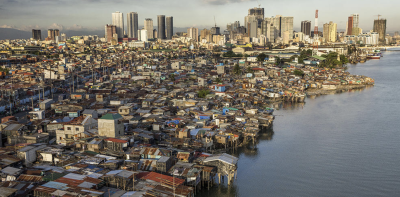
Urban infrastructure refers to the essential systems and services that support city life. This includes transportation networks, water supply, sewage systems, and energy provision. Effective urban infrastructure enhances the quality of life for residents. It also promotes economic growth and sustainability. In India, rapid urbanisation poses challenges for infrastructure development. Investment and planning are crucial for future urban resilience and efficiency.
The Karnataka Cabinet approved a 600 crore rupees minority welfare scheme designed to upgrade infrastructure in underdeveloped minority settlements across the state. Operating over a two-year horizon covering...
Urban areas are experiencing rapid growth, causing challenges in flood management and housing infrastructure. Cities face increased flood risks due to unplanned expansion and inadequate drainage. Housing demand...
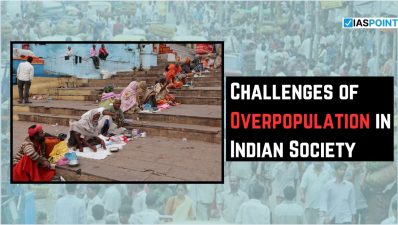
Economic Issues Overpopulation in Indily contributes to rising unemployment rates. The increase in the labour force does not match the availability of jobs, resulting in a surplus of...
India's urban population is projected to double from 400 million to 800 million in the coming three decades. This growth presents opportunity to reshape urban landscapes. However, financial...
The preparations for the Mahakumbh Mela in Prayagraj highlight a pressing environmental crisis. The Ganga river, revered by millions, is facing severe pollution due to untreated sewage. This...
The recent U.N. report marks an important gap in climate finance for developing countries. The estimated requirement is $359 billion annually. However, funding reached only $28 billion in...