
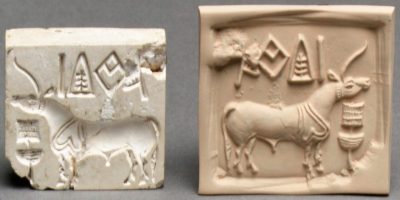
The Indus Valley Civilisation, flourishing between 3300 and 1300 BCE, remains one of history’s great mysteries. Despite extensive archaeological efforts, the script associated with this ancient culture has eluded decipherment. Recent initiatives, including a substantial reward for successful decipherment, highlight ongoing interest in this puzzle. Scholars have proposed various theories regarding the nature and function of the script, yet consensus remains elusive.
Challenges in Decipherment
Deciphering the Indus script involves several complex challenges. Firstly, there are no multilingual inscriptions available for comparative analysis. Multilingual texts, like the Rosetta Stone, have proven invaluable for deciphering other ancient scripts. The absence of such texts hinders progress in understanding the Indus script.
Nature of the Indus Script
The Indus script is classified as an unknown script writing an unknown language. This classification complicates efforts to assign phonetic values to its symbols. Scholars have identified varying numbers of signs in the script, ranging from 62 to over 676, reflecting ongoing debates about its structure and complexity.
Archaeological Evidence
The limited archaeological evidence further complicates decipherment. Although thousands of seals and artefacts have been uncovered, each typically contains only a few characters. This scarcity of material makes it difficult for researchers to establish patterns or meanings. Additionally, many Indus Valley sites remain unexplored, leaving gaps in our understanding of the civilisation.
Language Theories
Scholars have proposed various theories regarding the language represented by the Indus script. Some suggest links to Sanskrit, while others argue for Dravidian roots. The latter theory posits that the script may have used pictograms to represent complete words, similar to rebus systems. However, without conclusive evidence, these theories remain speculative.
Alternative Interpretations
In recent years, some researchers have questioned whether the Indus script represents a true writing system at all. They propose that the symbols may have served non-linguistic purposes, such as political or religious significance. This perspective suggests that the symbols might not encode language in the way that traditional scripts do.
Recent Developments
Recent studies have drawn parallels between the Indus script and graffiti marks found in Tamil Nadu. These findings have sparked renewed interest in deciphering the script, with financial incentive now offered for breakthroughs in this area. As research continues, the quest to unlock the secrets of the Indus script remains a tantalising challenge for linguists and historians alike.
Questions for UPSC:
- Critically discuss the significance of multilingual inscriptions in deciphering ancient scripts, using examples from history.
- Examine the role of archaeological evidence in understanding ancient civilisations, with a focus on the Indus Valley Civilisation.
- Analyse the various theories proposed regarding the language of the Indus script and their implications for our understanding of ancient cultures.
- Point out the challenges faced by scholars in establishing a consensus on the nature and function of the Indus Valley script.
Answer Hints:
1. Critically discuss the significance of multilingual inscriptions in deciphering ancient scripts, using examples from history.
- Multilingual inscriptions provide direct comparison points between known and unknown scripts, facilitating decipherment.
- The Rosetta Stone is a key example, helping to decode Egyptian hieroglyphics by providing the same text in Greek and demotic script.
- Multilingual texts reduce ambiguity by offering contextual clues about language structure and vocabulary.
- Other examples include the Behistun Inscription, which helped decipher cuneiform writing.
- Absence of multilingual inscriptions, as seen with the Indus script, complicates efforts and prolongs the decipherment process.
2. Examine the role of archaeological evidence in understanding ancient civilisations, with a focus on the Indus Valley Civilisation.
- Archaeological evidence, such as seals and inscriptions, provides vital information about the culture, economy, and social structure of ancient civilisations.
- For the Indus Valley Civilisation, around 3,500 seals have been discovered, but each typically has limited characters, hindering comprehensive analysis.
- The context of artefacts helps scholars infer the usage and significance of inscriptions within the society.
- Ongoing excavations may reveal more sites and artefacts, enhancing understanding of the Indus culture.
- Limited knowledge about the Indus Valley compared to contemporaneous civilisations like Mesopotamia complicates interpretations of the evidence.
3. Analyse the various theories proposed regarding the language of the Indus script and their implications for our understanding of ancient cultures.
- Theories range from linking the Indus script to Sanskrit to suggesting Dravidian roots, reflecting differing scholarly perspectives.
- Dravidian hypothesis posits that symbols represent complete words, using pictograms in a rebus-like manner, which could illuminate cultural connections.
- Some scholars argue the script may not encode language at all, suggesting symbols served non-linguistic purposes, complicating cultural interpretations.
- Debates on language connections influence nationalistic narratives about the origins of Indian languages and cultures.
- Absence of conclusive evidence leaves these theories speculative, denoting the need for further research and analysis.
4. Point out the challenges faced by scholars in establishing a consensus on the nature and function of the Indus Valley script.
- Lack of multilingual inscriptions limits comparative analysis, making it difficult to decode the script.
- Disagreement on the number of signs in the script (ranging from 62 to 676) reflects ongoing debates about its structure.
- Short inscriptions (averaging five characters) challenge traditional notions of writing systems, raising questions about their linguistic nature.
- Limited archaeological findings and unexplored sites hinder comprehensive understanding of the Indus Valley Civilisation.
- Conflicting theories regarding the script’s language and function complicate scholarly consensus and interpretation of cultural significance.