
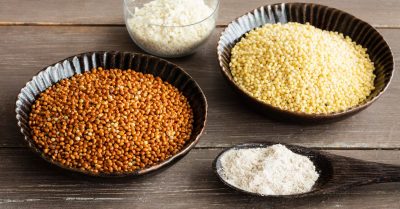
Millets have gained recognition for their health benefits. A recent study marks the importance of consuming millets in their whole grain form. Debranning millets reduces their nutritional value. This can undermine the benefits associated with their consumption.
Nutritional Composition of Millets
Millets are rich in essential nutrients. They contain high levels of calcium, iron, phosphorus, and potassium. These minerals contribute to various health benefits. Millets also provide phyto-chemicals like phenolic compounds. These compounds have anti-aging, anti-carcinogenic, and antioxidant properties.
Impact of Debranning
Debranning involves removing the bran and germ from millets. This process decreases protein, dietary fibre, fat, minerals, and phytate content. In contrast, it increases carbohydrates and amylose levels. The result is a higher glycemic load. Consuming debranned millets can negatively impact overall diet quality.
Market Trends and Consumer Awareness
The popularity of polished millets has risen. Many consumers are unaware of the differences between polished and whole millets. A survey indicated that polished millets are sold like white rice. This can mislead consumers regarding their nutritional value.
Shelf Life and Cooking Properties
Polishing millets extends their shelf life. The bran is rich in fats, which can lead to rancidity if not removed. Debranned millets cook faster and have a softer texture. However, this convenience comes at a nutritional cost.
Recommendations for Consumption
Experts recommend promoting whole millets in diets. Whole millets retain their nutritional benefits. Advances in packaging technology can help extend the shelf life of whole grains. This can encourage more consumers to choose nutritious options.
Significance of the International Year of Millets
The Food and Agriculture Organization declared 2023 as the International Year of Millets. This initiative aims to raise awareness about the benefits of millets. The Government of India has actively supported this campaign. Emphasising the importance of millets can lead to improved dietary practices.
Last Modified: November 8, 2024Questions for UPSC:
- Discuss the health benefits of whole millets compared to debranned millets.
- Critically examine the reasons for the popularity of polished millets in the market.
- Explain the role of packaging technology in enhancing the shelf life of whole grains. Discuss its importance in promoting healthy eating.
- With suitable examples, discuss the significance of the International Year of Millets in promoting sustainable agriculture.