
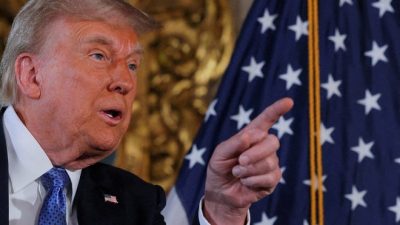
The potential for a U.S. government shutdown looms as Congress faces a deadline to approve a stopgap spending bill. This situation arises amidst pressure from Donald Trump, the president-elect, who urges lawmakers to address the debt ceiling. The deadline for funding 438 government agencies is critical, as failure to meet it could lead to disruptions in government operations.
About Government Shutdowns
A government shutdown occurs when Congress fails to pass funding legislation. This can lead to the temporary closure of various government agencies. Since 1981, there have been 14 shutdowns, often lasting only a few days. The longest shutdown lasted 35 days from December 2018 to January 2019. During shutdowns, federal employees may be furloughed without pay, and many services are disrupted.
Consequences of a Government Shutdown
The economic impact of a shutdown can be severe. Each week of a shutdown can reduce GDP growth by approximately 0.15 percentage points. The 2018-2019 shutdown alone cost the economy around $3 billion. Essential services, such as mail delivery and tax collection, continue, but many federal workers face pay delays.
Debt Ceiling Explained
The debt ceiling is a cap set by Congress on the amount of money the government can borrow. This limit has been raised 103 times since its inception in 1939. The current debt stands at approximately $36 trillion. Congress suspended the debt ceiling until January 1, 2025, but lawmakers must eventually address it to prevent a potential default.
Impact of Debt Default
A U.S. debt default could lead to severe repercussions for the economy. It would likely destabilise global financial markets and could trigger a recession. The government spends more than it collects in taxes, making it crucial for Congress to manage the debt ceiling responsibly.
Essential Government Functions
During a shutdown, each agency has a contingency plan to determine essential personnel. For example, the Department of Homeland Security retains most of its workforce for critical functions. Essential services like criminal litigation proceed, while many civil cases are paused. Air travel continues, but staffing may be affected.
Historical Context of Shutdowns
Shutdowns often arise from political disputes over budget allocations. The 1995-1996 shutdowns resulted from failed negotiations between Republicans and Democrats. The 2011 confrontation led to spending restraints but also marked a critical moment in U.S. fiscal policy.
Recent Developments
As of late 2023, the political climate remains contentious. Trump’s influence continues to shape debates over spending and the debt ceiling. The urgency to resolve these issues before his inauguration adds pressure on Congress.
Future Implications
The ongoing debates about government funding and the debt ceiling will likely impact future economic stability. Policymakers must navigate these challenges carefully to avoid adverse effects on public services and the economy.
Questions for UPSC:
- Critically analyse the implications of government shutdowns on federal services and the economy.
- What is the role of the U.S. Congress in managing the national debt? How has this evolved over time?
- Estimate the potential economic consequences of a U.S. debt default on global markets.
- Point out the key functions considered essential during a government shutdown and their importance to public welfare.
Answer Hints:
1. Critically analyse the implications of government shutdowns on federal services and the economy.
- Government shutdowns lead to furloughs of federal employees, disrupting their income and morale.
- Essential services like mail delivery and tax collection may continue, but many federal programs face delays or reductions.
- Economic growth can decline, with estimates of a 0.15 percentage point reduction in GDP growth per week of shutdown.
- Longer shutdowns, like the 2018-2019 one, can cost the economy billions, impacting sectors reliant on federal funding.
- Public perception of government efficiency may deteriorate, potentially affecting future funding and policy decisions.
2. What is the role of the U.S. Congress in managing the national debt? How has this evolved over time?
- Congress sets the debt ceiling, determining how much the government can borrow to meet its obligations.
- Since 1939, the debt ceiling has been raised 103 times, reflecting increasing government expenditures over revenues.
- Debates over the debt ceiling often involve political negotiations, with lawmakers balancing fiscal responsibility and spending needs.
- Historically, Congress has faced pressure from various administrations to raise the ceiling to avoid defaults and maintain credit ratings.
- Recent trends show heightened partisanship, complicating negotiations and leading to potential crises over debt management.
3. Estimate the potential economic consequences of a U.S. debt default on global markets.
- A debt default would likely destabilize global financial markets, leading to increased borrowing costs for the U.S. government.
- Investor confidence could plummet, causing stock market declines and a flight to safer assets like gold or foreign currencies.
- Credit rating agencies might downgrade U.S. debt, increasing interest rates and impacting global economic stability.
- International trade could be affected as global supply chains rely on U.S. economic stability and currency strength.
- A recession could ensue, with widespread implications for employment and consumer spending both domestically and internationally.
4. Point out the key functions considered essential during a government shutdown and their importance to public welfare.
- Essential functions include national security, law enforcement, and emergency services, critical for maintaining public safety.
- Departments like Homeland Security retain most personnel to ensure border security and public safety during shutdowns.
- Criminal litigation continues, safeguarding the justice system, while civil litigation often pauses, impacting legal proceedings.
- Air travel operations are maintained, though staffing may be reduced, ensuring continued transportation and economic activity.
- Essential services like the IRS continue to function, ensuring tax collection and compliance, vital for government revenue.