
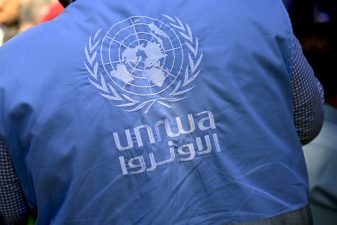
In early 2024, Israel enacted a law prohibiting the United Nations Relief and Works Agency for Palestine Refugees in the Near East (UNRWA) from operating within its borders. This legislation arises amidst ongoing tensions between Israel and Hamas, exacerbated by allegations of UNRWA staff involvement in the October 2023 attacks on Israel. The law has raised concerns among the international community regarding the humanitarian implications for Palestinian refugees, particularly in Gaza, where UNRWA plays a critical role.
Background of UNRWA
Established in 1949, UNRWA was formed to provide assistance to Palestinian refugees displaced during the Arab-Israeli conflict. The agency offers essential services, including education, healthcare, and social services, to millions across Gaza, the West Bank, Jordan, Lebanon, and Syria. As of 2023, UNRWA employed approximately 30,000 staff members, making it an important player in the region’s humanitarian efforts.
Legislative Developments
The recent law reflects Israel’s long-standing criticism of UNRWA, which it accuses of harbouring individuals affiliated with Hamas. Lawmakers cited specific incidents involving UNRWA personnel allegedly linked to militant activities, leading to calls for the agency’s disbandment. The Israeli government has expressed a desire to transfer humanitarian responsibilities to other UN bodies, such as UNICEF and the World Food Programme, which they believe could operate without the same security concerns.
International Reactions
The legislation has sparked alarm among UN officials and several Western allies, who argue that restricting UNRWA’s operations could lead to a humanitarian catastrophe in Gaza. The UN Secretary-General has reiterated the necessity for UNRWA to function effectively to meet the urgent needs of Palestinian refugees. Furthermore, foreign ministers from multiple countries, including France and Germany, have voiced their concerns, emphasising the importance of international humanitarian law and the need for aid to reach those most affected.
Impact on Humanitarian Aid
The ban on UNRWA could severely disrupt the delivery of essential services to Palestinian refugees, especially in Gaza, where the agency provides food assistance, medical care, and education. Prior attempts to replace UNRWA with other organisations have historically failed, leading to fears that the current law could exacerbate the humanitarian crisis. UNRWA officials have warned that the law sets a dangerous precedent, undermining the agency’s ability to fulfil its mandate under international law.
Future Considerations
As the law takes effect, Israel has indicated a willingness to collaborate with international partners to ensure humanitarian aid continues to flow into Gaza. However, the effectiveness of such measures remains uncertain, given the complexities of the ongoing conflict and the entrenched positions of both Israeli and Palestinian authorities. The international community must navigate these challenges to uphold humanitarian principles while addressing security concerns.
Last Modified: October 29, 2024Questions for UPSC:
- Discuss the role and significance of UNRWA in the context of Palestinian refugees.
- Analyse the implications of Israel’s recent legislation on UNRWA for humanitarian aid in Gaza.
- Evaluate the responses of the international community to Israel’s ban on UNRWA.
- What are the historical challenges faced by UNRWA in fulfilling its mandate?
- Examine the relationship between humanitarian aid and security concerns in conflict zones.