
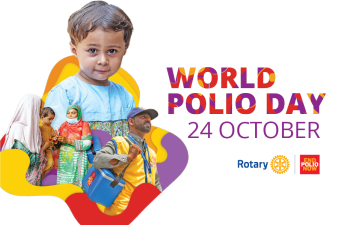
World Polio Day is commemorated on October 24, marking an important milestone in the global fight against poliomyelitis. This day serves not only to celebrate the achievements in polio eradication but also to reignite efforts in regions where the disease remains endemic. As of this year, Afghanistan and Pakistan continue to report cases, underscoring the critical need for sustained vaccination initiatives and community engagement.
The History of Polio
Poliomyelitis, commonly known as polio, is an infectious disease caused by the poliovirus, primarily affecting children under five years of age. The disease can lead to irreversible paralysis and, in severe instances, death. The first successful vaccine was developed by Dr Jonas Salk in the 1950s, which laid the foundation for global immunisation campaigns. Notably, the vaccine was introduced during a time when polio was a major public health crisis, causing thousands of cases annually in the United States alone.
Global Polio Eradication Initiative (GPEI)
Established in 1988, the GPEI has been instrumental in reducing polio cases by 99%. The initiative involves a partnership between the World Health Organization (WHO), Rotary International, the US Centres for Disease Control and Prevention (CDC), and UNICEF. The collaborative effort has led to five out of six WHO regions being declared free of wild poliovirus. This achievement marks the effectiveness of vaccination campaigns and community health strategies.
Current Challenges
Despite progress, polio remains endemic in Afghanistan and Pakistan, where cultural and logistical challenges hinder vaccination efforts. In 2023, Pakistan reported 16 cases, while Afghanistan reported 14 cases, illustrating the ongoing risk of outbreaks. The challenges are compounded by misinformation about vaccines, political instability, and access issues in remote areas, necessitating tailored outreach strategies.
Role of Health Workers and Community Engagement
Health workers, volunteers, and community leaders play a vital role in the fight against polio, especially in hard-to-reach populations. Their efforts are recognised on World Polio Day, as they contribute to raising awareness and ensuring that every child receives the polio vaccine. The “Let’s #EndPolio” campaign emphasises the importance of maintaining high vaccination coverage to prevent resurgence.
The Importance of Vaccination
Vaccination remains the most effective tool in preventing polio. The WHO advocates for routine immunisation alongside supplementary vaccination campaigns to ensure herd immunity. High vaccination rates are crucial, particularly in areas where the virus is still present, to protect not only children but also the larger community.
Last Modified: November 12, 2024Questions for UPSC:
- Discuss the significance of World Polio Day in the context of global health initiatives.
- What are the challenges faced in eradicating polio in Afghanistan and Pakistan?
- Evaluate the role of the Global Polio Eradication Initiative in reducing polio cases worldwide.
- How do community health workers contribute to vaccination campaigns in endemic regions?
- What strategies can be implemented to combat misinformation regarding vaccines?