
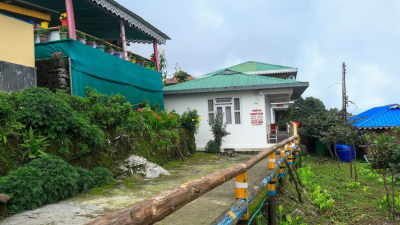
Yakten village in Sikkim’s Pakyong district was officially declared India’s first digital nomad village. This initiative aims to attract remote workers year-round and boost local incomes. It is a joint effort by the district administration and NGO Sarvahitey under the ‘Nomad Sikkim’ programme. The project focuses on providing stable internet, electricity, and sustainable livelihood options for homestay owners.
Background and Objectives
The initiative was driven by concerns over the long off-season for homestays, lasting about six months. During this period, operators face income shortages. The Chief Minister of Sikkim, Prem Singh Tamang, emphasised the need for steady income streams. The project aims to convert Yakten into a year-round destination for digital professionals from across India and abroad.
Infrastructure Improvements
To support remote work, the district administration installed two internet lines and ensured village-wide Wi-Fi. Reliable electricity was secured by providing inverters to households. These measures intend to guarantee uninterrupted connectivity and power, crucial for digital nomads.
Water and Basic Amenities
Addressing water scarcity is a priority. The Jal Jeevan Mission plans to provide a long-term solution for Yakten’s water needs. Local leaders brought into light the importance of resolving drinking water and other basic infrastructure issues alongside promoting tourism and remote work.
Community and Economic Impact
The Yakten Village Tourism Cooperative Society president expressed hope that the initiative would stabilise incomes for homestay operators and service providers. The project is expected to create sustainable employment and reduce seasonal economic fluctuations. It also aims to promote the village’s natural beauty as an attractive work environment.
Government and Local Support
The launch event was attended by Pakyong District Collector Rohan Ramesh and MLA Pamin Lepcha. Their involvement signals strong government backing. The collaborative approach between local authorities and NGOs is central to the initiative’s success.
Future Prospects
If successful, the model could be replicated in other Himalayan locations. This would promote balanced regional development and sustainable tourism. It also aligns with broader trends of remote work and digital economies expanding in India.
Questions for UPSC:
- Critically analyse the impact of digital nomadism on rural economies and local communities with suitable examples.
- Explain the role of government initiatives like the Jal Jeevan Mission in addressing rural infrastructure challenges and their significance in sustainable development.
- What are the challenges and opportunities presented by the rise of remote work in India? How can policy frameworks support this transition?
- Comment on the importance of public-private partnerships in promoting tourism and economic development in remote regions. Illustrate with examples from India.