
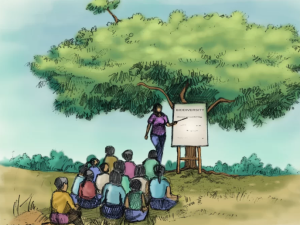
Biodiversity, the rich tapestry of life on Earth, is facing unprecedented threats due to human activities, climate change, and habitat destruction. In the face of this crisis, the need for biodiversity education and awareness has never been more critical.
Understanding Biodiversity
Biodiversity encompasses the variety of life on Earth, including the diversity of species, ecosystems, and genetic diversity within species. It is the foundation of ecosystem services that sustain life, providing clean air and water, fertile soil, pollination of crops, and disease regulation. However, the alarming rate of biodiversity loss poses a significant threat to these essential services.
The Importance of Biodiversity Education
- Conservation Knowledge and Skills: Biodiversity education equips individuals with the knowledge and skills necessary to understand, appreciate, and conserve biodiversity. This includes understanding the interdependence of species, recognizing the value of ecosystems, and learning about sustainable practices.
- Addressing Human-Induced Threats: Human activities, such as deforestation, pollution, and over-exploitation of resources, contribute to biodiversity loss. Education plays a pivotal role in addressing these threats by promoting responsible and sustainable practices. For instance, educating communities about the impact of plastic pollution can lead to reduced use and proper disposal of plastics.
The Role of Schools and Institutions
- Incorporating Biodiversity into Curriculum: Educational institutions play a crucial role in shaping the perspective of future generations. Integrating biodiversity education into school curricula helps in instilling a sense of responsibility and appreciation for the environment. Subjects such as biology, ecology, and environmental science are ideal platforms to introduce these concepts.
- Establishing Nature-based Learning Programs: Schools can go beyond traditional classroom teaching by incorporating nature-based learning programs. Field trips to local ecosystems, wildlife sanctuaries, and botanical gardens provide students with firsthand experiences, fostering a deeper connection with nature.
Community Engagement and Outreach
- Local Initiatives and Citizen Science Projects: Engaging communities in biodiversity conservation through local initiatives and citizen science projects is a powerful way to create a sense of ownership. For instance, community-led tree planting programs or bird-watching events encourage active participation and raise awareness about the importance of preserving local biodiversity.
- Digital Platforms and Outreach Campaigns: Utilizing digital platforms, such as social media and online campaigns, can exponentially increase the reach of biodiversity awareness initiatives. Sharing success stories, informational videos, and interactive content can capture the attention of a wide audience and inspire collective action.
Key Data: Biodiversity Loss and Conservation Efforts
To understand the magnitude of the biodiversity crisis, let’s examine key data related to biodiversity loss and conservation efforts:
| Indicator | Global Status |
| Species Extinction Rate | 100 to 1,000 times higher than the natural rate |
| Loss of Natural Ecosystems | 13.2 million hectares per year |
| Protected Areas Coverage | Approximately 15% of terrestrial and 7% of marine areas |
| Global Funding for Conservation | USD 124 billion in 2022 |
Biodiversity education and awareness are essential components of a sustainable future. By fostering a deep understanding of the interconnectedness of life on Earth and promoting responsible practices, we can mitigate the threats to biodiversity.
Last Modified: February 23, 2024