
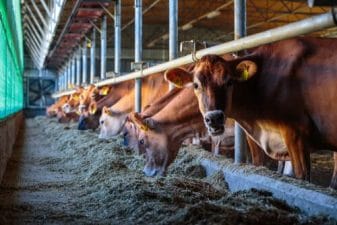
The Pashu Aushadhi initiative aims to provide affordable veterinary medicines to those involved in animal husbandry and dairying across India. This initiative aligns with the existing Pradhan Mantri Bharatiya Janaushadhi Kendras (PMBJK), which offer generic medicines for human healthcare. The establishment of Pashu Aushadhi stores is part of the revised Livestock Health and Disease Control Programme (LHDCP), approved by the Union Cabinet in March 2025.
Background of the Initiative
The initiative was introduced to improve livestock health and reduce farmers’ out-of-pocket expenses on veterinary medicines. It is particularly important given that India has livestock population of 535.78 million, as reported in the 20th Livestock Census. The initiative is designed to combat diseases that adversely affect livestock productivity, such as Foot and Mouth Disease and Brucellosis.
Structure and Funding
The LHDCP has an overall budget of Rs 3,880 crore for 2024-25 and 2025-26. Within this, Rs 75 crore is allocated specifically for the Pashu Aushadhi initiative. This funding will support the procurement of good quality, affordable veterinary medicines and incentivise their sale.
Operation of Pashu Aushadhi Stores
Pashu Aushadhi stores will be managed by cooperative societies and Pradhan Mantri Kisan Samriddhi Kendras (PMKSK). The Department of Animal Husbandry & Dairying is set to release guidelines for the effective functioning of these stores. This collaborative approach aims to ensure widespread access to veterinary medicines.
Types of Medicines Offered
The Pashu Aushadhi Kendras will provide generic veterinary medicines. In addition, they will sell ethnoveterinary medicines based on traditional knowledge. These formulations are designed to treat various ailments in livestock. The National Dairy Development Board has compiled a list of these traditional remedies, which include treatments for conditions like mastitis and digestive issues.
Impact on Livestock Health
The Pashu Aushadhi initiative is expected to improve livestock health by preventing diseases through immunisation and providing timely access to medicines. This proactive approach will not only enhance the productivity of livestock but also support the livelihoods of farmers engaged in animal husbandry.
Significance of Generic Medicines
Generic medicines are non-branded drugs that provide a cost-effective alternative to proprietary medicines. By making these available for animals, the Pashu Aushadhi initiative aims to lower healthcare costs for farmers and improve overall animal welfare.
Future Prospects
The initiative is poised to make a substantial impact on the animal husbandry sector in India. By addressing the challenges related to livestock health and medicine accessibility, it has the potential to transform the economic landscape for farmers and contribute to sustainable agricultural practices.
Questions for UPSC:
- Critically analyse the role of cooperative societies in the implementation of the Pashu Aushadhi initiative.
- What are the major diseases affecting livestock in India? Explain their economic impact on farmers.
- What is the significance of traditional medicine in veterinary practices? Provide suitable examples.
- Explain the concept of generic medicines. How do they differ from branded medicines in terms of accessibility and affordability?
Answer Hints:
1. Critically analyse the role of cooperative societies in the implementation of the Pashu Aushadhi initiative.
- Cooperative societies will manage Pashu Aushadhi stores, ensuring local governance and accountability.
- They facilitate access to affordable veterinary medicines for farmers, enhancing livestock health.
- Cooperatives can leverage community trust to promote the initiative effectively.
- They can also provide training and education on animal health and medicine usage.
- The success of the initiative relies on the cooperative model to reach remote areas and underserved populations.
2. What are the major diseases affecting livestock in India? Explain their economic impact on farmers.
- Major diseases include Foot and Mouth Disease (FMD), Brucellosis, and Peste des Petits Ruminants (PPR).
- These diseases lead to reduced productivity, affecting milk and meat production.
- Farmers face increased out-of-pocket expenses for treatment, straining their finances.
- Outbreaks can lead to economic losses and reduced market access.
- Preventive measures and timely treatment can mitigate these economic impacts .
3. What is the significance of traditional medicine in veterinary practices? Provide suitable examples.
- Traditional medicine offers cost-effective treatment options based on indigenous knowledge.
- It can treat common ailments effectively, such as mastitis and digestive disorders in livestock.
- Examples include the use of garlic and turmeric for treating infections and inflammation.
- Ethnoveterinary practices can complement modern veterinary care, enhancing overall animal welfare.
- Promoting traditional remedies can preserve cultural practices and improve accessibility of treatments.
4. Explain the concept of generic medicines. How do they differ from branded medicines in terms of accessibility and affordability?
- Generic medicines are non-branded drugs marketed under their chemical names, offering the same efficacy as branded versions.
- They are typically sold at lower prices, making healthcare more affordable for consumers.
- Generic options increase market competition, driving down prices for both human and veterinary medicines.
- Accessibility is enhanced as generic medicines are often available in more locations, including rural areas.
- This initiative aims to reduce the financial burden on farmers by providing affordable veterinary care.