India-Israel Relations – Trade, Defence and Strategic Ties

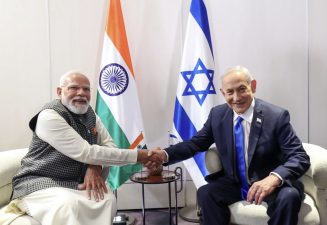
Recent developments in 2026 show the evolving India-Israel relationship amid regional tensions. Prime Minister of India Narendra Modi’s visit to Israel focused on strengthening bilateral cooperation despite recent geopolitical challenges. Trade disruptions and shifting diplomatic stances have marked this phase. The partnership spans defence, technology, trade, and labour mobility, reflecting deep strategic engagement.
Historical Context and Diplomatic Relations
India and Israel established full diplomatic ties in 1992. The relationship has grown steadily, especially since 2014. Modi’s 2017 visit was the first by an Prime Minister of India, signalling a new phase of engagement. Despite India’s recent alignment with global criticism of Israeli policies in the West Bank, bilateral ties remain robust. Both nations continue dialogue to balance geopolitical sensitivities and strategic interests.
Trade Trends and Economic Linkages
Bilateral trade surged from 200 million in 1992 to a peak of10.7 billion in 2022-23. However, trade declined sharply to 3.6 billion in 2024-25 due to the Gaza conflict and disrupted trade routes. India maintains a trade surplus, which narrowed from6.1 billion in 2022-23 to 663 million in 2024-25. Key exports to Israel include refined petroleum products (44%) and diamonds (22%). Imports from Israel are dominated by rough diamonds, fertilizers, electronics, and radar equipment. The diamond trade involves importing rough stones from Israel, polishing them in India, then exporting finished products globally. </p> <h4>Defence Cooperation and Strategic Partnership</h4> <p> Defence ties form the backbone of the India-Israel relationship. India accounted for over 38% of Israel’s arms exports between 2014 and 2024. Israel supplies advanced weaponry and technology to India. The partnership supports India’s security needs and complements its ‘Make in India’ initiative by promoting local manufacturing of defence equipment. Joint ventures and technology transfers have strengthened military capabilities on both sides. </p> <h4>Investment, Technology and Labour Mobility</h4> <p> Israel’s foreign direct investment in India crossed347 million by 2025, focusing on technology sectors such as cybersecurity, agriculture, water management, and electric mobility. Indian investments in Israel reached 443 million in the same period. Labour mobility is, with over 32,000 Indian workers in Israel by late 2024, many employed in construction after the Gaza conflict displaced Palestinian labour. Student exchanges and technology collaborations further deepen people-to-people ties. </p> <h4>Topics for Prelims:</h4> <h5>India-Israel Diplomatic Relations</h5> <ol> <li>Established full diplomatic ties in 1992.</li> <li>First Indian PM visit in 2017 by Narendra Modi.</li> <li>India’s stance on West Bank settlement expansion.</li> <li>Strategic and geopolitical balancing by India.</li> <li>Ongoing bilateral dialogue despite regional tensions.</li> </ol> <h5>Bilateral Trade and Economic Exchange</h5> <ol> <li>Trade peaked at10.7 billion in 2022-23.
Decline to 3.6 billion in 2024-25 due to conflict.</li> <li>India’s trade surplus narrowed from6.1 billion to 663 million.</li> <li>Major exports – refined petroleum products and diamonds.</li> <li>Major imports – rough diamonds, fertilizers, electronics, radar.</li> </ol> <h5>Defence and Strategic Cooperation</h5> <ol> <li>India accounts for 38% of Israel’s arms exports (2014-24).</li> <li>Focus on advanced weaponry and technology transfer.</li> <li>Supports India’s ‘Make in India’ defence push.</li> <li>Joint manufacturing ventures and local production.</li> <li>Key pillar of bilateral strategic partnership.</li> </ol> <h5>Investment and Labour Mobility</h5> <ol> <li>Israel’s FDI in India –347 million by 2025.Indian investments in Israel – 443 million.</li> <li>Focus sectors – cybersecurity, agriculture, water, electric mobility.</li> <li>Over 32,000 Indian workers in Israel as of 2024.</li> <li>Student exchanges and technology collaborations increasing.</li> </ol> <h4>Questions for UPSC:</h4> <blockquote> <ol> <li>Critically discuss the impact of geopolitical conflicts on bilateral trade between nations, using India-Israel relations as a case study.</li> <li>Examine the role of defence cooperation in strengthening strategic partnerships and its implications for regional security in South Asia.</li> <li>Analyse the significance of foreign direct investment in technology sectors for bilateral relations and economic development.</li> <li>Point out the challenges and opportunities in managing labour mobility between countries amid geopolitical tensions.</li> </ol> </blockquote> <h4>Answer Hints:</h4> <h5>1. Critically discuss the impact of geopolitical conflicts on bilateral trade between nations, using India-Israel relations as a case study.</h5> <ol> <li>India-Israel trade peaked at10.7 billion in 2022-23 but declined sharply to 3.6 billion in 2024-25 due to the Gaza conflict.</li> <li>War-related disruptions and troubled trade routes directly affected trade volumes and supply chains.</li> <li>India’s trade surplus with Israel narrowed from6.1 billion to 663 million amid conflict-induced uncertainties.</li> <li>Geopolitical tensions forced India to balance its traditional strategic ties with Israel and its alignment with global criticism on West Bank settlements.</li> <li>Trade in key commodities like refined petroleum and diamonds was impacted by instability and logistical challenges.</li> <li>Demonstrates how regional conflicts can disrupt economic linkages despite strong bilateral relations.</li> </ol> <h5>2. Examine the role of defence cooperation in strengthening strategic partnerships and its implications for regional security in South Asia.</h5> <ol> <li>India accounts for over 38% of Israel’s arms exports (2014-24), showing deep defence ties.</li> <li>Israel supplies advanced weaponry and technology, enhancing India’s military capabilities.</li> <li>Defence cooperation supports India’s ‘Make in India’ initiative via local manufacturing and technology transfer.</li> <li>Joint ventures strengthen interoperability and strategic autonomy for India.</li> <li>Enhances deterrence and security balance in South Asia amid regional threats.</li> <li>Defence ties serve as a mainstay for broader strategic and diplomatic engagement.</li> </ol> <h5>3. Analyse the significance of foreign direct investment in technology sectors for bilateral relations and economic development.</h5> <ol> <li>Israel’s FDI in India crossed347 million by 2025, mainly in technology domains.Indian investments in Israel ($443 million) focus on cybersecurity, agriculture, water management, and electric mobility.FDI encourages innovation, technology transfer, and joint R&D, deepening economic ties.Investment aligns with India’s priorities like ‘Make in India’ and sustainable development.Technology collaboration boosts competitiveness and addresses shared challenges.FDI acts as a catalyst for stronger bilateral relations beyond defence and trade.4. Point out the challenges and opportunities in managing labour mobility between countries amid geopolitical tensions.
- Over 32,000 Indian workers in Israel as of 2024, many replacing Palestinian labour post-Gaza conflict.
- Geopolitical tensions can disrupt labour supply chains and employment stability.
- Labour mobility supports economic needs but requires diplomatic balancing amid conflicts.
- Opportunities include skill development, remittances, and people-to-people ties strengthening.
- Challenges involve worker security, legal protections, and adapting to shifting political climates.
- Student exchanges and technology collaboration complement labour mobility, enhancing bilateral engagement.
Last Modified: February 28, 2026