
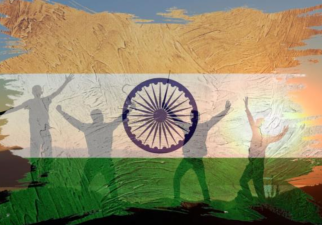
India’s ambition of becoming a developed nation by 2047 is increasingly being framed not only as a policy challenge, but as a generational project. Across campuses, start-ups, villages and community spaces, young Indians are debating how the country can grow faster, govern better and become more inclusive. The central question today is no longer whether India’s youth have ideas, but whether there are credible platforms through which those ideas can meaningfully shape national direction. The Viksit Bharat Young Leaders Dialogue (VBYLD) seeks to position itself as one such platform.
Why India’s youth matter to the development narrative
With the world’s largest youth population, India’s demographic profile gives it a unique opportunity — and responsibility. This vast reservoir of yuva shakti is often described as a demographic dividend, but its significance goes beyond numbers. Young citizens are central to innovation, democratic participation and social change, provided their energies are channelled into institutions that listen as much as they mobilise.
Historically, India’s youth have played decisive roles during moments of transformation — from the freedom struggle to institution-building after Independence. The challenge today is to translate demographic strength into sustained leadership for the decades ahead.
The origins of the Viksit Bharat Young Leaders Dialogue
The VBYLD was launched in January 2025, drawing inspiration from a call made by Narendra Modi from the Red Fort to bring one lakh youth without political backgrounds into public life. In doing so, it reimagined the traditional National Youth Festival format, shifting focus from celebration to structured dialogue and idea generation.
Its first edition saw large-scale participation: over 30 lakh young people engaged through the Viksit Bharat Challenge, more than two lakh essays were submitted, and thousands of participants presented ideas at State-level forums. The process culminated in New Delhi, where 3,000 youth leaders interacted directly with the Prime Minister at Bharat Mandapam.
From participation to leadership
What distinguished the Dialogue was not just its scale, but its intent. Participants were encouraged to critically examine national challenges, propose solutions and align personal aspirations with collective goals. The emphasis was on moving beyond token participation towards genuine leadership and ownership of ideas.
The structure of the platform consciously integrates diversity — of geography, language, profession and lived experience. Youth from urban and rural India, students and working professionals, innovators and grassroots volunteers are brought into a common deliberative space. Multiple stages of engagement allow ideas to be refined through discussion rather than filtered out by background or location.
Scaling up: VBYLD 2026
Building on the first edition, VBYLD 2026 — scheduled from January 9 to 12, 2026 — marks an expansion in both ambition and reach. New thematic tracks such as “Design for Bharat” and “Tech for Viksit Bharat” aim to connect youth creativity with practical problem-solving. The inclusion of members of the Indian youth diaspora adds an international dimension to what began as a national initiative.
The scale of engagement has also grown. More than 50 lakh young people participated in the Viksit Bharat Quiz, the initial selection stage for the 2026 Dialogue, making it one of the largest youth outreach exercises of its kind in India.
Dialogue meets symbolism on National Youth Day
A key moment of VBYLD 2026 is scheduled for January 12, observed nationwide as National Youth Day in memory of Swami Vivekananda. On this day, the Prime Minister is expected to interact personally with participants at Bharat Mandapam, listening to their ideas on how they envision India’s future.
The symbolism is deliberate: linking youth-led dialogue with a day associated with leadership, service and national awakening.
From conversation to influence
Supporters of the initiative argue that what sets VBYLD apart is its attempt to move from dialogue to direction — from speaking to being heard. By creating structured pathways for ideas to surface, be debated and reach the highest levels of political leadership, the platform seeks to reduce the distance between youthful imagination and policymaking.
At the same time, the long-term test will lie in whether such dialogues translate into institutional change, sustained engagement and measurable policy impact.
What to note for Prelims?
- Viksit Bharat Young Leaders Dialogue: objectives and structure
- National Youth Day and its significance
- Role of youth in India’s demographic and development strategy
- Bharat Mandapam as a national convention venue
What to note for Mains?
- Youth participation versus youth leadership in governance
- Platforms for citizen engagement in policymaking
- Demographic dividend and challenges of inclusion
- Linking national vision (India@2047) with grassroots ideas
As India looks ahead to 2047, initiatives like the Viksit Bharat Young Leaders Dialogue reflect a growing recognition that development is not only about economic indicators or institutional reforms. It is also about whose ideas count, who gets heard, and whether the country is prepared to walk alongside its youth as co-creators of the future.
Last Modified: January 9, 2026