
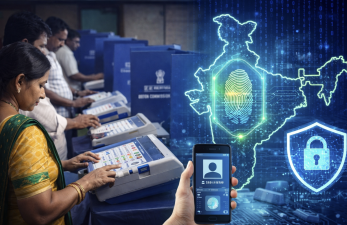
India’s electoral system is undergoing a major digital transformation led by the Election Commission of India (ECI). The introduction of ECINet, a sophisticated digital platform, aims to streamline electoral processes for over a billion voters. However, despite advanced technology, procedural rigidity and bureaucratic inertia continue to challenge the system. The current Chief Election Commissioner (CEC), with a strong academic and administrative background, has intensified electoral reforms, notably through the Special Intensive Revision (SIR) exercise. This has shifted the burden of compliance onto citizens, affecting diverse groups including senior officials and professionals. The ongoing changes show tensions between technological potential and traditional bureaucratic practices.
Evolution of Electoral Governance
Post-independence, the ECI was largely passive, allowing electoral malpractices. The turning point came with CEC T. N. Seshan, who enforced strict reforms such as voter ID cards and campaign expenditure limits. Subsequent innovations included Electronic Voting Machines (EVMs), Voter Verified Paper Audit Trails (VVPATs), and NOTA. ECINet builds on this legacy by digitising voter services. Yet, the gap between technology and administrative culture remains a barrier to seamless governance.
Challenges in Digital Adoption
ECINet’s front end offers user-friendly interfaces, but back-end bureaucratic processes remain complex and opaque. The SIR exercise, intended to update rolls, has instead caused confusion and anxiety among voters. The persistent hierarchical mindset within the bureaucracy obstructs transparency and citizen-centric service. This paradox undermines trust and complicates access to electoral rights despite digital advances.
Institutional Mindset and Democratic Values
The current system reveals a clash between a techno mindset promoting transparency and efficiency, and a bureaucratic culture favouring control and compliance. Symbolic gestures of deference by political candidates to election officials contrast with the reality of citizen disenfranchisement. For democracy to thrive, both bureaucracy and political actors must embrace humility, accountability, and genuine service orientation beyond appearances.
Way Forward for Electoral Reform
True digital transformation requires re-engineering legacy processes and encouraging a culture of openness. Simplifying rules, enabling real-time decisions, and reducing human discretion are essential. Future reforms like SIR 3.0 must prioritise citizen empowerment and transparency to restore trust. Without aligning institutional attitudes with technological capabilities, electoral reforms risk falling short of their democratic promise.
Topics for Prelims:
Election Commission of India (ECI)
- Constitutional authority responsible for free and fair elections in India.
- Enforces the Model Code of Conduct during elections.
- Introduced Electronic Voting Machines (EVMs) and VVPAT.
- Conducts voter registration and electoral roll maintenance.
- Led major reforms under CEC T. N. Seshan in the 1990s.
ECINet and Digital Electoral Systems
- Comprehensive digital platform for electoral services.
- Facilitates online voter registration and corrections.
- Integrates front-end user interface with back-end administrative processes.
- Supports Special Intensive Revision (SIR) exercises.
- Aims to enhance transparency and efficiency in elections.
Special Intensive Revision (SIR)
- Periodic exercise to update and verify electoral rolls.
- Implemented at large scale in states like Bihar recently.
- Places procedural demands on voters for inclusion and corrections.
- Has raised concerns over voter exclusion and administrative delays.
- Represents a shift in citizen-institution relationship in electoral governance.
Questions for Mains:
- Discuss the impact of digital technology on electoral governance in India, denoting the challenges posed by bureaucratic inertia. [GS-II-Constitution of India & Polity]
- Critically examine the role of the Election Commission of India in strengthening democracy since independence, with examples of key reforms. [GS-II-Constitution of India & Polity]
- Explain the significance of citizen-centric governance in democratic institutions and discuss how institutional mindsets affect public trust. [GS-IV-Ethics, Integrity and Aptitude]
- With suitable examples, discuss the challenges and opportunities of digital transformation in public administration, focusing on transparency and accountability. [GS-II-Governance]
Answer Hints:
1. Discuss the impact of digital technology on electoral governance in India, denoting the challenges posed by bureaucratic inertia. [GS-II-Constitution of India & Polity]
- Introduction of ECINet as a digital backbone for electoral services enhancing accessibility and efficiency.
- Technological potential vs bureaucratic inertia – front-end user-friendly but back-end complex, opaque processes persist.
- Bureaucratic mindset retains control, compliance-heavy workflows limiting technology’s transformative impact.
- Special Intensive Revision (SIR) exercise increased procedural burden on citizens, causing anxiety and exclusion fears.
- Resultant erosion of voter trust despite advanced digital tools due to institutional rigidity and outdated attitudes.
- Need for cultural shift from rule-bound bureaucracy to responsive, technology-led, citizen-centric governance.
2. Critically examine the role of the Election Commission of India in strengthening democracy since independence, with examples of key reforms. [GS-II-Constitution of India & Polity]
- Post-independence ECI was passive, allowing electoral malpractices and collusion with political parties.
- Reforms under CEC T. N. Seshan – strict enforcement of Model Code of Conduct, introduction of voter ID cards, campaign expenditure limits.
- Technological innovations – introduction of EVMs, VVPAT, NOTA to enhance electoral integrity and voter confidence.
- Institutional restructuring from single to multi-member commission to balance authority and procedural safeguards.
- Recent digital initiatives like ECINet aimed at streamlining voter services and electoral roll maintenance.
- Despite advances, challenges remain in institutional mindset and citizen engagement, affecting democratic legitimacy.
3. Explain the significance of citizen-centric governance in democratic institutions and discuss how institutional mindsets affect public trust. [GS-IV-Ethics, Integrity and Aptitude]
- Citizen-centric governance places voter empowerment, transparency, and ease of access at the core of democratic processes.
- Bureaucratic hierarchical attitudes and colonial-era residual mindsets promote control rather than facilitation.
- Symbolic deference (candidates standing with folded hands) contrasts with actual citizen disenfranchisement and opaque procedures.
- Such institutional postures undermine trust, creating anxiety and alienation among voters.
- Authentic democratic conduct requires humility, accountability, and service orientation from both bureaucracy and political actors.
- Transformation demands cultural change alongside technology, ensuring governance is responsive and inclusive.
4. With suitable examples, discuss the challenges and opportunities of digital transformation in public administration, focusing on transparency and accountability. [GS-II-Governance]
- Opportunity – Digital platforms like ECINet enable real-time access, transparency, and streamlined citizen services.
- Challenge – Legacy bureaucratic processes remain complex, opaque, and compliance-heavy, limiting digital benefits.
- Example – SIR exercise’s large scale digitisation caused procedural burdens and voter anxiety due to back-end inefficiencies.
- Need for process re-engineering – simplify rules, reduce human discretion, enable real-time decisions, and enhance grievance redressal.
- Transparency enhanced by proactive information disclosure and traceability of decisions through technology.
- Success depends on aligning institutional mindset with technological capabilities, encouraging accountability and trust.