
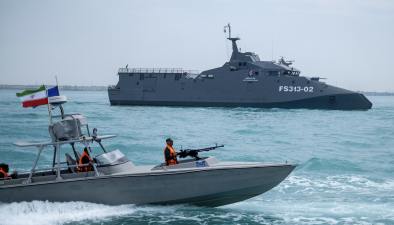
The US-Iran conflict escalated with Iran’s blockade of the Strait of Hormuz, a key global oil transit route. The Strait connects the Persian Gulf with the Gulf of Oman and the Arabian Sea. Approximately 20% of the world’s petroleum passes through this 21-mile-wide waterway. The blockade has caused disruptions in oil shipments, affecting global energy markets.
Details of the Blockade
Iran deployed naval vessels and missile systems to restrict passage through the Strait of Hormuz. The Iranian Revolutionary Guard Corps (IRGC) announced the closure following heightened tensions with the United States. Several international shipping companies reported delays and rerouting of vessels. The blockade has lasted several weeks, with intermittent partial openings.
US Military and Diplomatic Response
The United States increased naval patrols in the region, deploying aircraft carriers and destroyers to ensure freedom of navigation. The US Navy established a coalition task force including allies such as the UK and France. Diplomatic efforts involved sanctions intensification and calls for negotiations at the United Nations Security Council.
Impact on Global Energy Markets
Oil prices surged by over 15% following the blockade announcement. Major oil-exporting countries in the Gulf increased production to mitigate supply risks. Several countries diversified import sources, increasing shipments from Russia and West Africa. The International Energy Agency (IEA) activated emergency response measures to stabilise supply.
Regional Security and Economic Effects
Maritime insurance premiums in the Strait of Hormuz zone rose significantly. Gulf Cooperation Council (GCC) states enhanced coastal defences and maritime surveillance. The blockade affected exports of liquefied natural gas (LNG) from Qatar. Regional trade routes saw increased security-related expenditures.
What to Study for UPSC Exams?
- Maritime Security Mechanisms
- International Energy Markets
- Geopolitics of the Persian Gulf
- UN Security Council Resolutions
Maritime Security Mechanisms
Maritime security includes naval patrols, surveillance systems, and international coalitions to protect sea lanes. The Automatic Identification System (AIS) tracks vessel movements globally. Piracy hotspots like the Gulf of Aden led to multinational naval task forces to safeguard shipping routes.
International Energy Markets
Global energy markets are influenced by OPEC production quotas and geopolitical events. The Brent and WTI crude oils are primary benchmark prices. Strategic petroleum reserves exist in many countries to buffer supply shocks.
Geopolitics of the Persian Gulf
The Persian Gulf holds over 50% of the world’s proven oil reserves. Key regional players include Iran, Saudi Arabia, and the UAE. Control of the Strait of Hormuz is critical, as it channels about 20% of global oil exports.
UN Security Council Resolutions
The UNSC has 15 members: 5 permanent with veto power. Resolutions can impose sanctions, authorize military action, or establish peacekeeping missions. Chapter VII resolutions are binding and enforceable under international law.
Last Modified: April 13, 2026