
Archaea have been found to use a previously unrecognised genetic code in which the TAG codon is fully repurposed to encode the rare amino acid pyrrolysine, or Pyl. The finding expands understanding of how genetic information is translated into proteins and may influence future protein engineering and synthetic biology.
What the discovery shows
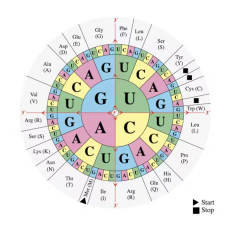
The standard genetic code has 64 codons, including 61 sense codons and three stop codons. In most organisms, TAG acts as a stop signal. In some archaea, however, researchers found that TAG is not merely occasional Pyl code but is always read as pyrrolysine. This means these organisms use 62 sense codons and encode 21 amino acids.
Species studied and methods used
Researchers identified nine archaea that appeared to have a fully repurposed TAG codon. They selected two for laboratory study:
- Methanococcoides burtonii, an archaeon from Antarctic lake environments.
- Methanomethylophilus alvi, an archaeon found in the human gut.
Using protein extraction, fragmentation and mass spectrometry, they identified 54 proteins that contained Pyl. These proteins were linked to functions such as DNA replication and energy production.
Why the finding matters
The study suggests that protein prediction in these archaea must be revised. Standard decoding rules would misread TAG as a stop codon, leading to incomplete protein models. Scientists now need to interpret TAG as Pyl-coding in these organisms for accurate genome annotation and protein prediction.
Biotechnology and future research
The finding may help in bioengineering by enabling controlled insertion of Pyl into proteins at specific positions. Researchers also demonstrated that engineered Escherichia coli could use archaeal machinery to read TAG as Pyl and produce a full-length protein. Future work may examine whether Pyl provides a fitness advantage in extreme environments and how this code can be used in protein design.
Last Modified: April 25, 2026