
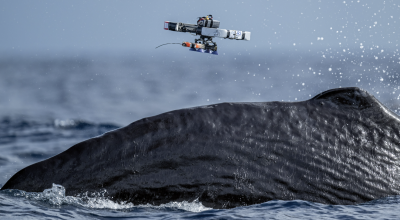
Whale researchers have used drones to collect breath samples from wild cetaceans in the Arctic and nearby North Atlantic waters. The method has helped detect cetacean morbillivirus, a disease-causing virus linked to mass strandings and deaths among whales and dolphins. This is the first recorded detection of the virus in Arctic waters, improving understanding of marine mammal health and disease spread.
Drone-Based Blow Sampling
Scientists flew drones over surfacing whales and collected exhaled breath, known as blow, on petri dishes attached to the aircraft. The drones were operated from boats and timed to hover above whales just before they exhaled. This avoided the need for dart biopsies, which can leave small wounds, and reduced dependence on samples from dead animals.
Study Coverage and Species
Between 2022 and 2025, researchers collected more than 50 blow samples from humpback, sperm and fin whales. The sampling areas included northern Norway, Iceland and Cape Verde off West Africa. The technique showed that drones can be an effective and less invasive tool for studying large marine mammals in remote waters.
Cetacean Morbillivirus Findings
Cetacean morbillivirus is infectious among dolphins, whales and porpoises. It affects the respiratory and neurological systems and can spread through direct contact and respiratory droplets. The virus has caused outbreaks since its discovery in 1987, especially in the North Atlantic and the Mediterranean. In the new study, it was found in two humpback whale groups in northern Norway, a sperm whale in poor health and a stranded pilot whale.
Significance for Marine Surveillance
Researchers say the absence of earlier reports in the Arctic may reflect weak surveillance rather than true absence of the virus. The findings may help identify disease transmission patterns over time and assess the impact of stressors such as pollution and climate change. Authorities can also reduce harm by limiting ship interactions with sick whales and lowering disturbance in affected areas.
Last Modified: April 25, 2026