
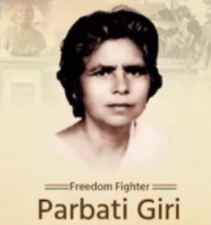
Parbati Giri’s birth centenary was marked with tribute and renewed attention on her role in India’s freedom struggle and post-independence social service. She is remembered as a lesser-known but important freedom fighter from Odisha who joined the Quit India Movement at a very young age and later devoted her life to community welfare, especially for tribal and marginalised groups.
Freedom Struggle Contribution
Parbati Giri became active in the anti-colonial movement at the age of 16. She represented the participation of young women in the national struggle against British rule. Her life reflects the wider, collective nature of India’s independence movement, which involved people from different regions and social backgrounds.
Work After Independence
After 1947, she shifted her focus from political resistance to social reform and service. She worked for tribal communities, the poor and the marginalised. Her efforts included:
- Establishing orphanages for vulnerable children.
- Supporting healthcare-related community work.
- Promoting women’s empowerment.
- Encouraging cultural and social upliftment.
Legacy and Public Memory
Parbati Giri’s life is because it connects freedom struggle with social justice. Her example marks how many women freedom fighters contributed both to national liberation and to nation-building after independence. Such figures often remain outside mainstream historical recognition despite their long-term impact.
Why It Matters for Exams
The centenary draws attention to Odisha’s contribution to the freedom movement, the role of women in the Quit India Movement, and the importance of remembering regional freedom fighters. It also links historical memory with themes such as tribal welfare, social service and women-led community development.
Last Modified: April 27, 2026