
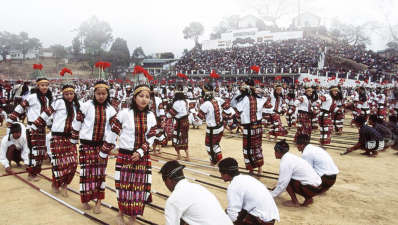
Chapchar Kut, Mizoram’s largest spring festival, was celebrated in Aizawl with a week-long programme denoting Mizo culture, traditional values and community bonding. The festival marked the onset of spring and reflected the close relationship of the Mizo people with agriculture, nature and collective life. This year’s theme focused on Mizo ethics and reconciliation, underlining the importance of harmony in social life.
Festival Significance
Chapchar Kut is traditionally observed in March after the completion of the most difficult stage of jhum cultivation, when forests are cleared and burnt remnants remain. It is one of the most important cultural festivals of Mizoram. The celebration brings together dance, music, crafts, food and community performances. It serves as a public expression of Mizo identity and heritage.
Cultural Highlights
The festival featured handloom, textile and handicraft exhibitions, food processing displays, food courts, flower shows, a living museum, photo and painting exhibitions, and a film show on Chapchar Kut. Traditional dances, music and group performances formed the core of the festivities. Visitors included people from other parts of India, foreign tourists and ethnic Mizos from neighbouring states.
Theme and Social Message
The theme Zo nun ze mawi – Inremna brought into light Mizo ethics and reconciliation. The festival stressed values such as respect for elders, selfless service, mutual understanding and helping others in times of need. These values were presented as central to social harmony, unity and community welfare. The celebration also reflected the role of ancestral wisdom in guiding both social conduct and economic progress.
Broader Importance
Chapchar Kut is not only a festival of celebration but also a platform for preserving and showcasing indigenous culture. It promotes cultural tourism, supports local artisans and strengthens community participation. The event also offers an important example of how traditional festivals can sustain identity while engaging with modern audiences.
Last Modified: April 29, 2026