
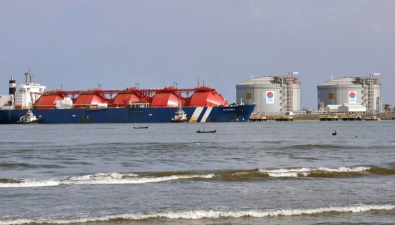
India declined to purchase liquefied natural gas cargoes from Russia that are subject to United States sanctions effective May 2026. This decision reflects growing concerns over energy security amid rising tensions in West Asia and disruptions along key maritime trade routes like the Strait of Hormuz. While New Delhi continues to import Russian crude oil under specific regulatory exemptions, the administration has restricted the entry of sanctioned gas volumes. The policy choice highlights the complex legal and logistical differences between handling global maritime flows of crude oil and liquefied natural gas.
Technical and Logistical Dynamics of LNG vs Crude Oil
Traceability and Monitoring
Liquefied natural gas (LNG) must be cooled to minus 162 degrees Celsius to shrink its volume for specialized cryogenic transport. This highly technical process makes LNG shipments much easier to monitor via global satellite tracking and maritime data networks than crude oil. Crude oil can be masked through ship-to-ship transfers in international waters or mixed into alternative blends. LNG requires specialized regasification terminals, preventing clandestine offloading and raising compliance risks for buyers.
The Case of the Kunpeng Tanker
A direct result of this strict enforcement is the status of the Kunpeng, a 138,200-cubic-metre LNG tanker. The vessel loaded its cargo from Russia’s sanctioned Portovaya LNG plant located near the Baltic Sea. In mid-April 2026, the ship listed the Dahej LNG terminal in Gujarat, India, as its destination. Following India’s refusal to accept the sanctioned cargo, the vessel changed course and remains stranded in waters near Singapore without a broadcast destination.
Geopolitical Alignments and Import Vulnerabilities
Maritime Chokepoints and West Asia Tensions
India relies heavily on external energy supplies, importing nearly half of its natural gas consumption and over 80% of its crude oil. The ongoing conflict in West Asia threatens the Strait of Hormuz, a critical maritime chokepoint. The table below details India’s dependence on this single trade corridor:
| Energy Commodity | Share of Total Indian Imports Passing Through Strait of Hormuz |
| Natural Gas (LNG) | Approximately 60% |
| Crude Oil | More than 50% |
Divergent Global Responses
Russia continues to seek alternative long-term supply agreements with India for both LNG and agricultural fertilizers like potash, phosphorus, and urea to diversify its export markets away from Europe. Most unsanctioned Russian LNG remains tied up in long-term legacy contracts with European buyers. In contrast to India’s cautious compliance strategy, China actively purchases both sanctioned and unsanctioned Russian energy supplies to expand its strategic reserves.
IASPOINT Booster Facts for UPSC
- Physical State of LNG: LNG is natural gas (predominantly methane, CH4) compressed into a liquid state at approximately minus 162°C (minus 260°F). Liquefaction reduces the volume of the gas by about 600 times, making it practical for transoceanic maritime transport.
- Strait of Hormuz Geography: This narrow waterway connects the Persian Gulf with the Gulf of Oman and the Arabian Sea. It is bordered by Iran to the north and Oman (Musandam exclave) and the United Arab Emirates to the south.
- Dahej LNG Terminal: Located in Gujarat, Dahej is India’s first and largest LNG receiving and regasification terminal. It is operated by Petronet LNG Limited.
- Portovaya LNG Plant: This Russian mid-scale LNG production facility is located on the Baltic Sea coast near the Ural-Siberian gas pipeline network, close to the start of the defunct Nord Stream 1 pipeline.
- Sanctions Exemptions for Oil vs Gas: The United States Treasury maintains temporary waivers for third-party purchases of Russian seaborne crude oil to prevent global energy price shocks. However, direct sanctions target newer Russian gas initiatives like Arctic LNG 2 and specific Baltic export hubs to limit Moscow’s long-term energy revenue.