
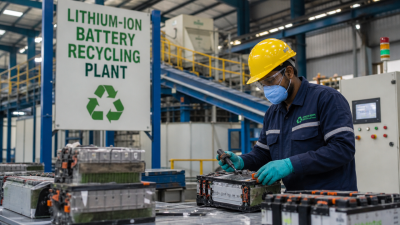
CSIR-National Metallurgical Laboratory (CSIR-NML) signed an MoU with R2E Greentech on 19 June 2026 to commercialise an indigenous lithium‑ion battery recycling technology; CSIR‑NML had transferred related technology to CircuOre on 17 June 2026.
Key agreements and facilities
- CSIR‑NML MoU (19 Jun 2026): Commercialisation agreement with R2E Greentech for end‑of‑life Li‑ion battery recycling technology.
- Technology transfer (17 Jun 2026): CSIR‑NML to CircuOre for scientific recycling and material recovery.
- N.A.N. Silox GreenMet JV: 50:50 joint venture to set up Andhra Pradesh plant with 40,000 TPA shredding and 20,000 TPA hydrometallurgical capacity.
- Circularity Center, Chennai: Bridge Green facility with 7,200 tpa critical‑mineral recovery capacity.
- NavPrakriti investment: >₹100 crore refining plant in Odisha, 5,000 tpa operational by FY 2028–29.
Technology and recovered materials
- Process: Integrated hydrometallurgical process deployed for selective leaching and separation.
- Recovered materials: Lithium, cobalt, manganese, nickel, copper, aluminium, graphite.
- Pilot facility: CSIR‑NML commissioned first pilot recycling unit at Jamshedpur in Sept 2023.
Policy, regulation and incentives
- Critical Mineral Recycling Incentive Scheme: ₹1,500 Crore scheme launched 16 Jun 2026 to incentivise domestic recycling.
- Battery Waste Management Rules: 2022 rules, amended 2025, impose Extended Producer Responsibility and mandate CPCB‑registered recyclers for channelisation.
- Regulatory environment: By FY 2025–26 recycling treated as regulation‑sensitive infrastructure with tightened traceability and verification.
IASPOINT Booster Facts
- Demand projection: India’s Li‑ion battery demand projected from 20 GWh (2022) to 220 GWh (2030).
- Hydrometallurgy advantage: Enables recovery of multiple critical metals with lower metal volatilisation than pyrometallurgy.
- CPCB role: Central Pollution Control Board registers recyclers and oversees compliance under Battery Rules.