
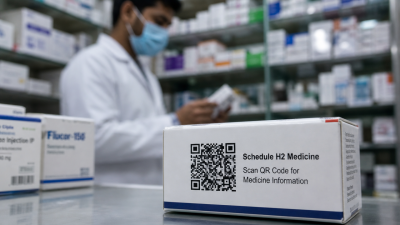
The Union Health Ministry has amended the Drugs Rules, 1945 to expand mandatory QR/bar‑code track‑and‑trace to vaccines, antimicrobials, anti‑cancer and narcotic/psychotropic drugs under Schedule H2, with compliance by 1 July 2027 (vaccines, narcotics, anti‑cancer) and 1 July 2028 (antimicrobials).
Scope & Deadlines
- Coverage: All vaccines, antimicrobials (including antibiotics), anti‑cancer medicines, and narcotic/psychotropic drugs notified under Schedule H2.
- Phased compliance: 1 July 2027 for vaccines, narcotics and anti‑cancer drugs; 1 July 2028 for antimicrobials.
- Previous mandate: QR/bar‑code was mandatory for the top 300 pharmaceutical brands since 2023; amendment broadens category coverage.
Data & Labelling Requirements
- Packaging: Code on primary packaging or on secondary packaging if primary lacks space.
- Nine mandatory data elements: unique product ID, generic name, brand name, manufacturer name & address, batch number, manufacturing date, expiry date, manufacturing licence number, excipient details.
Operational Mechanism
- Track‑and‑trace platforms: Specialised electronic platforms for logging by manufacturers, distributors, wholesalers and retailers.
- Traceability: End‑to‑end logging enables batch-level tracking and facilitates product recalls.
Regulatory Framework & Target
- Legal basis: Amendments to the Drugs Rules, 1945 (framed under the Drugs and Cosmetics Act, 1940) notified in late June 2026.
- Regulator’s target: Progression towards WHO Maturity Level 4 for national regulatory systems.
Challenges
- Operational delays: Risk of delayed logging of genuine consignments across supply chains.
- Cost burden: Implementation expenses likely higher for smaller manufacturers; may require policy support or pricing adjustments.
IASPOINT Booster Facts
- Drugs Rules, 1945: Subordinate rules under the Drugs and Cosmetics Act, 1940 governing manufacture, labelling and sale of drugs.
- WHO Maturity Level 4: Denotes a stable, well‑functioning regulatory system with regulatory performance measurement.
- Unique Product ID: Enables batch‑level authentication and linkage to supply‑chain transaction records.