
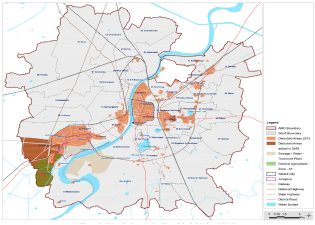
The Disturbed Areas Act in Gujarat regulates property transactions in regions marked by communal tensions. It aims to prevent communal polarisation and protect demographic balance. The Act requires sellers in these areas to obtain permission from the district Collector before selling their property. Recent amendments have strengthened the Collector’s powers to scrutinise property sales.
Background of the Disturbed Areas Act
The Disturbed Areas Act was established to address issues arising from communal riots. It allows the government to designate specific areas as ‘disturbed’ based on their history of violence. This designation triggers restrictions on property transfers to maintain social harmony.
Key Provisions of the Act
- Section 5 of the Act mandates that anyone wishing to sell property in a disturbed area must apply to the Collector.
- This application must include an affidavit confirming that the seller is acting voluntarily and at a fair market price.
- The Collector conducts an inquiry and can approve or reject the sale.
Amendments and Increased Authority
In 2020, the Gujarat government amended the Act, enhancing the powers of the Collector. The amendments were introduced due to concerns over anti-social elements circumventing the law. The Collector now has the authority to assess potential communal clustering through property sales, which could disrupt local demographics.
Legal Challenges and Court Involvement
The Act has faced numerous legal challenges in the Gujarat High Court. Property sales in disturbed areas have been contested by neighbours and community groups. Some cases have resulted in court rulings that favour property transactions, denoting the tension between legal provisions and community interests.
Areas Covered by the Act
The Act applies to various districts in Gujarat, including Ahmedabad, Vadodara, Surat, and Anand. The government has periodically extended the Act’s applicability to include new areas, reflecting ongoing concerns about communal harmony.
Recent Developments
As of October 2023, the Gujarat government announced plans to reconsider the 2020 amendments. This decision came in response to petitions challenging the constitutionality of the amendments. The government aims to address concerns raised by community organisations regarding the Act’s implementation.
Implications for Property Transactions
The Disturbed Areas Act impacts property transactions in Gujarat. Sellers must navigate a complex approval process. The heightened scrutiny aims to ensure that property sales do not exacerbate communal tensions. Violations of the Act can result in severe penalties, including imprisonment.
Questions for UPSC:
- Critically examine the role of the Disturbed Areas Act in maintaining communal harmony in Gujarat.
- Discuss the implications of the 2020 amendments to the Disturbed Areas Act on property rights and community relations.
- Explain the challenges faced by the Gujarat High Court in adjudicating cases related to the Disturbed Areas Act.
- What is the significance of demographic equilibrium in urban planning? Discuss its relevance in the context of the Disturbed Areas Act.
Answer Hints:
1. Critically examine the role of the Disturbed Areas Act in maintaining communal harmony in Gujarat.
- The Act aims to prevent communal polarisation by regulating property transactions in areas with a history of communal riots.
- It requires sellers to obtain permission from the Collector, ensuring that property sales do not exacerbate tensions.
- By designating ‘disturbed areas,’ the Act seeks to protect demographic balance and maintain social harmony.
- Violations can lead to imprisonment and fines, reinforcing the seriousness of maintaining communal peace.
- However, challenges and criticisms of the Act suggest it may also hinder legitimate property transactions and economic growth.
2. Discuss the implications of the 2020 amendments to the Disturbed Areas Act on property rights and community relations.
- The amendments enhanced the powers of the Collector to scrutinise property sales, aiming to prevent improper clustering of communities.
- They increased penalties for violations, reflecting a stricter approach to maintaining communal harmony.
- However, the amendments have raised concerns about potential abuse of power and infringement on property rights.
- Community relations may be strained due to heightened scrutiny and the perception of bias in property transactions.
- The ongoing legal challenges reflect the tension between regulatory intentions and individual rights.
3. Explain the challenges faced by the Gujarat High Court in adjudicating cases related to the Disturbed Areas Act.
- The court must balance community interests against individual property rights, leading to complex legal interpretations.
- There is often public and political pressure surrounding cases involving communal sensitivities.
- Legal precedents may conflict, making it difficult to establish consistent rulings across cases.
- Challenges to the constitutionality of the amendments complicate the court’s role in interpreting the Act.
- The court’s decisions can have far-reaching implications for communal relations and property rights in Gujarat.
4. What is the significance of demographic equilibrium in urban planning? Discuss its relevance in the context of the Disturbed Areas Act.
- Demographic equilibrium refers to a balanced distribution of different communities, which is crucial for social stability in urban areas.
- Maintaining demographic balance helps prevent communal tensions and promotes inclusivity in urban planning.
- The Disturbed Areas Act aims to protect this equilibrium by regulating property transfers that could lead to polarisation.
- Urban planning policies must consider demographic factors to ensure sustainable development and community cohesion.
- Failure to maintain demographic equilibrium can lead to social unrest, making the Act’s provisions relevant for long-term urban stability.