
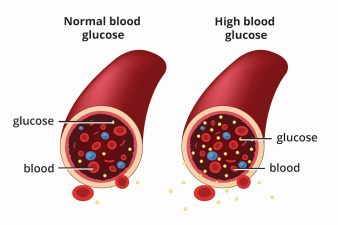
Type-5 diabetes is gaining attention as a malnutrition-related form of diabetes. This condition affects primarily young and thin adults in low- and middle-income countries. The recent designation of Type-5 diabetes by the International Diabetes Federation marks step in recognising its prevalence and unique characteristics.
Historical Context
Type-5 diabetes was first recorded in Jamaica in 1955. Initially termed J-type diabetes, it was noted in undernourished populations in India, Pakistan, and sub-Saharan Africa during the 1960s. The World Health Organization recognised it as a distinct form of diabetes in 1985 but retracted this designation in 1999 due to a lack of supporting research.
Defining Type-5 Diabetes
Type-5 diabetes is characterised by its occurrence in lean and malnourished individuals. It is estimated to affect 20 to 25 million people worldwide, predominantly in Asia and Africa. Unlike Type-1 and Type-2 diabetes, Type-5 diabetes is not primarily linked to obesity or autoimmune responses.
Mechanisms of the Disease
Research indicates that individuals with Type-5 diabetes possess defect in insulin secretion. This differs from the insulin resistance seen in Type-2 diabetes. Insulin injections, common for Type-1 diabetes, can be harmful and lead to dangerously low blood sugar levels for Type-5 patients.
Current Research and Findings
A study published in 2022 brought into light the fundamental differences between Type-5 diabetes and other diabetes types. Experts are still exploring effective treatment options. The condition remains under-diagnosed and poorly understood, leading to high mortality rates shortly after diagnosis.
International Efforts for Recognition
The International Diabetes Federation has initiated a working group to improve the understanding of Type-5 diabetes. This group aims to develop diagnostic criteria and therapeutic guidelines over the next two years. It will also create a global registry to promote research collaborations and educational resources for healthcare professionals.
Implications for Global Health
The recognition of Type-5 diabetes is crucial for public health. It is reportedly more common than tuberculosis and nearly as prevalent as HIV/AIDS. The lack of an official name has hindered diagnosis and treatment efforts. Addressing this condition is vital for improving health outcomes in vulnerable populations.
Future Directions
The working group’s efforts will focus on establishing formal guidelines for diagnosis and treatment. This will facilitate better management of Type-5 diabetes and potentially improve survival rates for affected individuals. Increased awareness and research are needed to combat this emerging health crisis.
Questions for UPSC:
- Critically examine the implications of malnutrition-related diseases in low-income countries.
- Discuss the differences between Type-1 diabetes and Type-2 diabetes in terms of causation and treatment.
- What are the potential impacts of global health initiatives on the management of emerging diseases like Type-5 diabetes?
- Explain the significance of establishing global health registries for rare diseases. How can they aid in research and treatment?
Answer Hints:
1. Critically examine the implications of malnutrition-related diseases in low-income countries.
- Malnutrition-related diseases contribute to high morbidity and mortality rates, particularly in vulnerable populations.
- They strain healthcare systems, leading to increased healthcare costs and resource allocation issues.
- Such diseases exacerbate poverty cycles, hindering economic development and productivity.
- Awareness and diagnosis are often lacking, resulting in under-treatment and poor health outcomes.
- Addressing malnutrition-related diseases is essential for achieving global health goals, including the Sustainable Development Goals (SDGs).
2. Discuss the differences between Type-1 diabetes and Type-2 diabetes in terms of causation and treatment.
- Type-1 diabetes is an autoimmune disorder leading to total insulin deficiency, while Type-2 diabetes is primarily due to insulin resistance.
- Type-1 typically manifests in childhood or adolescence, whereas Type-2 is more common in adults, often linked to obesity.
- Treatment for Type-1 involves lifelong insulin therapy; Type-2 may be managed with lifestyle changes, oral medications, and sometimes insulin.
- Type-1 patients require immediate insulin for survival, while Type-2 patients may initially manage blood sugar levels without insulin.
- Recent research shows Type-5 diabetes has distinct mechanisms, differing from both Type-1 and Type-2, complicating treatment further.
3. What are the potential impacts of global health initiatives on the management of emerging diseases like Type-5 diabetes?
- Global health initiatives can enhance awareness and understanding of emerging diseases, leading to better diagnosis and treatment protocols.
- They facilitate funding and resources for research, which is crucial for developing effective therapies for conditions like Type-5 diabetes.
- International collaboration can help establish standardized guidelines and best practices for managing emerging diseases.
- Such initiatives can improve training for healthcare professionals, enabling them to recognize and treat these diseases effectively.
- Overall, they can lead to improved health outcomes and reduced mortality rates in affected populations.
4. Explain the significance of establishing global health registries for rare diseases. How can they aid in research and treatment?
- Global health registries provide comprehensive data on disease prevalence, aiding in understanding and tracking rare diseases.
- They facilitate collaboration among researchers and healthcare providers, promoting sharing of knowledge and resources.
- Registries can help identify patient populations for clinical trials, accelerating the development of new treatments.
- They support the creation of standardized treatment protocols based on real-world evidence and patient outcomes.
- Ultimately, registries contribute to better public health policies and resource allocation for rare diseases.