
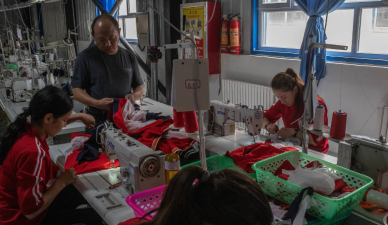
China’s severe security and surveillance crackdown in Xinjiang justified under ‘counter terrorism’ grounds have led to rampant allegations of forced detentions, cultural erasure and coerced labour practices against Uyghur Muslims in the name of ‘re-education’. With relationships strained amid sanctions by western nations, resolving the humanitarian crisis haunting Xinjiang remains a distant prospect.
Overview
- Xinjiang province in China’s northwest is home to around 12 million Turkic speaking Uyghur Muslims as largest ethnic minority group.
- Post riots and sporadic terror attacks, China initiated a ‘Strike Hard against Violent Terrorism’ campaign since 2014 embedding pervasive security controls across civic life there citing national stability.
Detention Network
Extent of Crackdown
- Reports estimate over a million Uyghur Muslims have undergone extrajudicial detention in 380 purpose built camps and pre existing facilities.
Arbitrary Detentions
- ‘Re-education’ detention reasons range from vague connections with conservative religious groups, protests, overseas travel to countries like Turkey even benign acts like abstaining from alcohol or applying beard oil!
Legal Ambiguity
- Despite insisting vocational learning aims, China passed no specific law authorizing mass internment remaining secretive on camp details.
Forceful Assimilation
- Leaked manuals reveal inmates forced to chant slogans, violate religious beliefs through activities like eating pork missing prayers. It aims to supplant ethnic identity with enforced assimilation into dominant Han culture.
Physical & Mental Torture
- Accounts of beatings, solitary confinement, denial of toilet access emerge alongside psychological tactics forcing Uyghurs into breaking vows and adopting Han names inducing trauma.
Surveillance State
Total Information Awareness
- A data combine integrating facial recognition cameras, spyware in phones, GPS tracking systems profile entire Uyghur population identifying ‘suspects’ for detention based on ai analytics.
Restriction of Religious Freedom
- Muslim names, bearded faces and religious greetings banned alongside compulsory removal of Islamic symbols even from graveyards leaving no safe sphere outside state intrusion.
Family Separation
- With many parents interned, over half a million Uyghur children removed into state orphanages erasing parental influence termed ‘family education’ ironically.
Forced Labour Transfer
Coercive Assignment
- Alongside mass incarcerations, around half a million rural poor Uyghurs moved into ‘satellite factories’ disrupting traditional livelihoods through centralized schemes.
Toiling Under Duress
- Transferred labourers face abusive working conditions marked by below minimum wages, restriction of movement through watch towers and accord no right to unionize.
Exporting Slave Made Goods
- Shipments from Xinjiang in garments, tomatoes and polysilicon channel forced Uyghur labour into global supply chains with 87 multinationals implicated so far.
Revenue Drain
- Uyghur sweatshops allowed tax cuts up to 75% boosting profits for manufacturers while denied any share disincentivizing traditional handicrafts trade.
International Response
United Nations Probe
- Demands made for urgent UN probe into alleged crimes against humanity with 38 states led by Germany citing reports of torture, sterilization, persecution and apartheid like policies.
US Ban on Imports
- Uyghur Forced Labor Prevention Act signed into law in 2021 prohibits products made using forced labor especially cotton, tomatoes from entering US markets with Canada mulling similar actions.
Divestments Exiting Business
- Multinationals like Nike, PVH under rising pressure exit potentially tainted supply chains unable to trace abuses faced by Uyghurs subcontracted without consent.
China Rejects Criticism
- Terms allegations as interference in internal affairs projecting vocational centers as benign upskilling venues countering terror radicalization despite contravening accounts.
- With propaganda around ‘happiness’ in income gains for Uyghurs, structural reforms to detention apparatus remain elusive.
Key Metrics on Crackdown in Xinjiang
| Parameter | Statistics |
| Extrajudicial Detainees Estimate | Over 1 million since 2017 |
| Percentage of Population Interned | 1 in 25 adults locked up as per UN estimates |
| Children Displaced | Between 800,000 to 1 million Uyghur children separated often with both parents detained too |
| Percentage Drop in Birth Rates | Xinjiang birth rates declined by nearly 50% within few years indicating measures like forced sterilizations |
| Share in Global Tomato Exports | 1 in 5 tomatoes worldwide sourced from Xinjiang province indicating widespread supply chain contamination |
| Forced Labour Transfers Scheme | Centralized pairing scheme moved over half a million rural Uyghurs to low skilled factory jobs |
Systematic state restrictions enabled by technology have fostered a climate of terror for Uyghur minorities weaponizing their identity against prep text of national security making detentions and dispossession defining features.
- Global solidarity around their persecution provides a moral lifeline despite economic ties hamstringing larger powers from punitive actions to reverse the simmering humanitarian crisis.
- In closing, immediate access sought for UN inspectors into the heavily censored region can initiate some transparency around the ubiquitous allegations.
- Next, structured reforms around security policies complying with civil liberty norms preventing ethnic targeting and abolishing exploitative labour practices are sorely needed to signal progress.
- Redirecting domestic economic fruits directly benefiting native Uyghur households can alleviate motivations fueling sporadic resentment.
- With multiple stakeholders responsibility involved owing to globalized production networks, resolution requires perseverant international cooperation rising above narrow commercial interests for furthering universal human rights observance.