
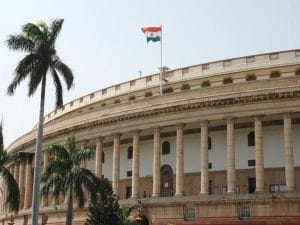
The central government is set to reintroduce the Ancient Monuments and Archaeological Sites and Remains (AMASR) (Amendment) Bill in the second half of the Budget Session. The bill was first introduced in 2017, with amendments allowing for the construction of public works in prohibited areas and the approval and impact assessment of such public works.
Preserving Historical Monuments and Sites
The AMASR Act was initially passed in 1958 to preserve archaeological and historical monuments and sites, regulate excavations, and protect sculptures, carvings, and other objects. The act prohibits construction activities in an area of 100 meters around protected monuments, which can be extended by the central government whenever and wherever required.
Amendments to the AMASR Act
The proposed amendments to the AMASR Act were introduced in 2017, allowing for the construction of public works such as roads, bridges, and airports in prohibited areas. The amendments also propose the approval and impact assessment of such public works before construction can commence. The government argues that these amendments are necessary to facilitate infrastructure development, particularly in areas where public works are deemed essential for national security and strategic reasons.
Criticism and Opposition
The proposed amendments to the AMASR Act have faced criticism and opposition from various quarters. The opposition argues that the amendments will compromise the preservation of India’s rich cultural heritage and historical monuments. There are concerns that allowing construction activities in prohibited areas will lead to irreversible damage to ancient monuments and sites.
The proposed amendments have also been criticized for being too broad and vague. The opposition argues that the amendments do not specify the criteria for determining whether public works are essential for national security and strategic reasons. They fear that this lack of specificity will allow the government to arbitrarily approve public works in prohibited areas.
Last Modified: February 20, 2024