
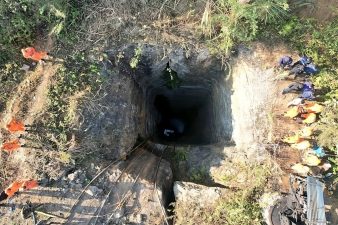
The recent flooding of an illegal coal mine in Assam has resulted in a tragic loss of life and raised serious concerns about mining safety regulations. On January 6, nearly 40 workers were trapped when the mine flooded. While 25 workers escaped, nine remain unaccounted for. The Assam government has initiated rescue operations but has acknowledged that the chances of finding survivors are slim after more than ten days.
Government Response and Compensation
The Assam Cabinet has approved a compensation of ₹10 lakh for the families of the deceased. This decision comes after the recovery of four bodies from the mine. The government has committed to providing support to the families of those still missing. Chief Minister Himanta Biswa Sarma has stated that the focus will also be on accountability and prevention of future incidents.
Investigative Measures
In response to the tragedy, the Assam government has announced the formation of a judicial commission and a Special Investigation Team (SIT). The judicial commission will be led by retired High Court judge Anima Hazarika and is tasked with investigating the incident and determining responsibility. The SIT will focus on criminal negligence associated with the operation of illegal mines.
Illegal Mining Operations
The incident marks the prevalence of illegal mining in Assam. Chief Minister Sarma revealed that approximately 220 illegal mines are operating in the area. The government plans to use satellite imagery to monitor these mines and develop strategies for their closure. This effort aims to prevent similar tragedies in the future.
Dewatering Operations
Currently, the mine remains flooded with around 140 million litres of water. Efforts to dewater the mine have extracted about 4 million litres so far. Officials estimate that it could take an additional 25 to 60 days to remove the remaining water fully. The government has requested assistance from the Army to expedite this process.
Future Safety Measures
The Assam government is taking steps to ensure mining safety and prevent illegal operations. This includes assessing the condition of existing mines and implementing stricter regulations. The focus will also be on community awareness regarding the dangers of illegal mining activities.
Community Impact
The flooding has left impact on the local community. Families of the trapped workers are in distress, and the incident has raised awareness about the risks associated with illegal mining. The government’s response will be crucial in restoring public trust and ensuring the safety of workers in the mining sector.
Questions for UPSC:
- Critically analyse the implications of illegal mining on community safety and environmental sustainability.
- What are the roles of judicial commissions in investigating industrial accidents? Explain their significance with examples.
- What measures can be taken to enhance the safety of mining operations in India? Discuss with suitable examples.
- Explain the impact of government regulations on illegal mining activities. How can enforcement be improved?
Answer Hints:
1. Critically analyse the implications of illegal mining on community safety and environmental sustainability.
- Illegal mining often leads to unsafe working conditions, increasing the risk of accidents and fatalities.
- It contributes to environmental degradation, including deforestation, soil erosion, and water pollution.
- Local communities may suffer from loss of livelihoods as legal mining operations are undermined.
- Health hazards arise from exposure to toxic substances and unsafe mining practices.
- Long-term impacts include loss of biodiversity and disruption of local ecosystems.
2. What are the roles of judicial commissions in investigating industrial accidents? Explain their significance with examples.
- Judicial commissions investigate the causes of accidents and assess accountability for negligence.
- They gather evidence, conduct hearings, and provide recommendations for policy changes.
- Examples include the Bhopal Gas Tragedy commission, which led to safety reforms.
- They enhance public trust by ensuring transparency and accountability in investigations.
- Judicial commissions can influence legislation to prevent future incidents through their findings.
3. What measures can be taken to enhance the safety of mining operations in India? Discuss with suitable examples.
- Implementing strict regulatory frameworks and safety standards for mining operations.
- Regular safety audits and inspections to ensure compliance with regulations.
- Investment in technology for monitoring and managing mining activities, e.g., using drones for surveillance.
- Training programs for miners on safety practices and emergency response.
- Examples include the introduction of the Mines Act, which mandates safety protocols in mining.
4. Explain the impact of government regulations on illegal mining activities. How can enforcement be improved?
- Government regulations aim to control illegal mining by imposing fines and penalties on offenders.
- Stricter regulations can deter illegal operations and promote legal mining practices.
- However, enforcement is often weak due to corruption and lack of resources.
- Improved surveillance through technology can enhance monitoring of mining activities.
- Community involvement in reporting illegal activities can strengthen enforcement efforts.