
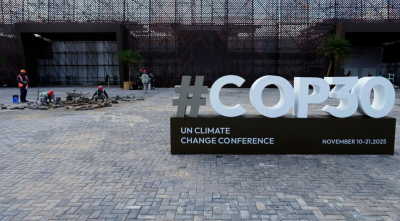
The 2025 Belém Summit in the Brazilian Amazon marks a critical moment ahead of the 30th United Nations Climate Change Conference (COP30). World leaders gather to move beyond rhetoric and commit to urgent climate action. Hosting COP30 in the Amazon marks the region’s vital role in global climate stability and the need for concrete measures to protect it.
Significance of the Belém Summit
The summit sets the tone for COP30 by emphasising truth and accountability. It stresses that international climate talks must translate into real-world results. The Amazon’s presence as the conference venue reminds participants of the forest’s global importance and the challenges it faces. The summit calls for renewed political will and cooperation guided by science.
Historical Context of Climate Agreements
Brazil’s hosting recalls the 1992 Earth Summit, where foundational climate and biodiversity conventions were adopted. Since then, global efforts have aimed to reduce greenhouse gas emissions and protect ecosystems. Despite progress, many targets remain unmet, making COP30 a very important opportunity to accelerate climate action.
Brazil’s Climate Commitments and Achievements
Brazil has halved deforestation in the Amazon within two years, demonstrating effective climate action is possible. The country has submitted an ambitious Nationally Determined Contribution (NDC) targeting a 59% to 67% reduction in emissions across all sectors. Brazil’s energy matrix is 88% renewable, leading in biofuels and expanding wind, solar, and green hydrogen technologies.
Innovative Financing – Tropical Forests Forever Facility
The Tropical Forests Forever Facility (TFFF) is a novel investment fund launched at Belém. It incentivises forest conservation by rewarding both forest protectors and investors. Brazil’s initial $1 billion investment aims to attract global participation. This model seeks to create sustainable financing for tropical forest preservation.
Energy Transition and Social Equity
Brazil advocates for a just and equitable energy transition, recognising the social impacts of climate change. Vulnerable populations face the greatest risks and must be central to policy decisions. Plans include redirecting oil revenues to support clean energy and ensuring access to clean cooking fuels and technologies, addressing poverty and hunger alongside climate goals.
Global Governance Reform and Climate Council Proposal
The summit marks the need to reform multilateral institutions, particularly the United Nations Security Council, which has been ineffective in preventing conflicts. A new UN Climate Change Council linked to the General Assembly is proposed. This body would have the authority to enforce climate commitments and strengthen global governance.
Call for Urgent Action and Accountability
The Belém Summit declares the era of mere promises over. It demands implementation of ambitious NDCs and effective climate policies. The summit frames COP30 as the COP of Truth, focusing on transparency, responsibility, and tangible progress to combat climate change.
Questions for UPSC:
- Critically analyse the role of the Amazon rainforest in global climate regulation and its significance in international climate negotiations.
- Explain the principle of common but differentiated responsibilities under the United Nations Framework Convention on Climate Change and its implications for Global South countries.
- What are the challenges faced by multilateral institutions like the United Nations Security Council in addressing global crises? How can reforms enhance their effectiveness in climate governance?
- With suitable examples, comment on the importance of a just energy transition and its impact on social equity and sustainable development.
Answer Hints:
1. Critically analyse the role of the Amazon rainforest in global climate regulation and its significance in international climate negotiations.
- The Amazon is the world’s largest tropical rainforest and largest river basin, crucial for carbon sequestration and oxygen production.
- It stores billions of tonnes of carbon, helping regulate global temperatures and mitigate climate change.
- Deforestation and degradation release stored carbon, exacerbating global warming and biodiversity loss.
- The Amazon’s health affects rainfall patterns and climate stability in South America and beyond.
- International negotiations focus on protecting the Amazon as a critical global climate asset and biodiversity hotspot.
- Hosting COP30 in the Amazon marks the urgency of real action to preserve it and supports global climate commitments.
2. Explain the principle of common but differentiated responsibilities under the United Nations Framework Convention on Climate Change and its implications for Global South countries.
- It acknowledges all countries’ responsibility to address climate change but recognizes differences in historical emissions and capacities.
- Developed countries bear greater responsibility due to their past emissions and greater financial/technological resources.
- Global South countries demand equitable access to climate finance and technology, framing it as justice, not charity.
- This principle underpins negotiations ensuring developed nations provide support for mitigation and adaptation in developing countries.
- It legitimizes differentiated commitments and calls for honoring financial and technological debts by rich nations.
- It is key to building trust and cooperation in international climate agreements and securing Global South participation.
3. What are the challenges faced by multilateral institutions like the United Nations Security Council in addressing global crises? How can reforms enhance their effectiveness in climate governance?
- The Security Council is often paralyzed by veto powers, limiting decisive action on conflicts and crises.
- It was designed for peacekeeping but struggles with modern global challenges like climate change.
- Current governance structures lack enforcement mechanisms to ensure countries meet climate commitments.
- Reforming the Council could include expanding membership, limiting veto use, or creating specialized bodies.
- Proposal for a UN Climate Change Council linked to the General Assembly aims to improve legitimacy and enforcement.
- Effective reforms would enhance accountability, coordination, and political will in global climate governance.
4. With suitable examples, comment on the importance of a just energy transition and its impact on social equity and sustainable development.
- A just energy transition ensures vulnerable populations are protected from adverse impacts of shifting from fossil fuels.
- It addresses inequalities by providing access to clean energy, reducing energy poverty and health risks.
- Brazil’s model – redirecting oil revenues to finance renewable energy and social programs exemplifies equitable transition.
- Just transition plans promote job creation in green sectors and support communities dependent on fossil fuels.
- Linking climate action with hunger and poverty reduction, as in Brazil’s Declaration on Hunger, Poverty and Climate, encourages sustainable development.
- Ensuring social equity in energy policies builds public support and resilience against climate impacts.