
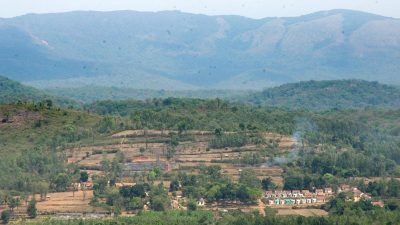
In conservation effort, authorities have denied multiple commercial ventures near the BRT Tiger Reserve in Chamarajanagar. The Eco Sensitive Zone (ESZ) Monitoring Committee convened in February 2025 and ruled against 11 proposals. These included a hotel, a commercial complex, and other facilities. The decisions align with the Ministry of Environment, Forest, and Climate Change directives prohibiting new constructions within one kilometre of the protected area.
Overview of the BRT Tiger Reserve
The BRT Tiger Reserve is located in Karnataka. It is known for its rich biodiversity and critical habitat for wildlife. The reserve is part of the larger Biligiriranga Swamy Temple Wildlife Sanctuary. The area is home to various species, including tigers, elephants, and numerous birds. Conservation efforts are vital to maintain this ecosystem.
Eco Sensitive Zone (ESZ) Regulations
ESZs are designated areas around protected regions. Their purpose is to create a buffer zone to protect wildlife. The Ministry of Environment, Forest, and Climate Change has set strict guidelines. These guidelines restrict commercial activities that could harm the environment. The one-kilometre buffer zone plays important role in conservation efforts.
Recent Decisions by the Monitoring Committee
The ESZ Monitoring Committee met to review commercial applications. They rejected 11 proposals that included various commercial establishments. The committee reaffirmed that any new construction within one kilometre of the ESZ is prohibited. This decision is a positive step for wildlife conservation.
Illegal Homestays and Tourism Concerns
The committee identified two illegal homestays within half a kilometre of the reserve. Notices have been issued to these establishments. Wildlife conservationists have raised concerns about illegal tourism impacting the reserve. The authorities are urged to take swift action against such activities.
Future Conservation Plans
The monitoring committee plans to develop a zonal master plan within six months. This plan will involve coordination with 13 different departments. The goal is to establish comprehensive guidelines for land use and conservation strategies. This initiative aims to enhance the protection of the BRT Tiger Reserve.
Human-Animal Conflict Mitigation
Proposals for poultry farms and sheep-rearing near the reserve were also rejected. These activities could increase human-animal conflicts. The committee aims to minimise such conflicts to ensure the safety of both wildlife and local communities.
Role of Wildlife Conservationists
Conservationists like Giridhar Kulkarni have been vocal about illegal tourism. They stress the need for immediate action against unregulated establishments. Their advocacy plays important role in raising awareness about conservation issues.
Importance of Community Involvement
Community involvement is essential for successful conservation. Local residents can contribute to protecting the environment. Awareness programmes can educate communities about the importance of biodiversity and conservation efforts.
Questions for UPSC:
- Critically examine the role of Eco Sensitive Zones in wildlife conservation.
- Discuss the impact of illegal tourism on biodiversity in protected areas.
- Explain the significance of community participation in conservation efforts.
- Comment on the challenges faced in mitigating human-animal conflicts in wildlife reserves.
Answer Hints:
1. Critically examine the role of Eco Sensitive Zones in wildlife conservation.
- ESZs create buffer zones around protected areas, reducing human encroachment.
- They help maintain ecological balance by regulating activities that could harm wildlife.
- Guidelines from the Ministry of Environment, Forest, and Climate Change enforce restrictions on commercial developments.
- ESZs support biodiversity by preserving critical habitats for various species.
- They promote sustainable practices and raise awareness about conservation among local communities.
2. Discuss the impact of illegal tourism on biodiversity in protected areas.
- Illegal tourism can lead to habitat degradation and increased human-wildlife interactions.
- Unregulated establishments disrupt local ecosystems and threaten wildlife populations.
- Tourism-related pollution and waste can harm water sources and soil quality.
- It may encourage poaching and illegal wildlife trade as demand for wildlife experiences rises.
- Raising awareness and enforcing regulations are crucial to mitigate these impacts.
3. Explain the significance of community participation in conservation efforts.
- Community involvement encourages a sense of ownership and responsibility towards local ecosystems.
- Local knowledge can provide valuable vital information about sustainable practices and biodiversity management.
- Awareness programs can educate residents about the importance of conservation and its benefits.
- Engaged communities are more likely to support regulations and conservation initiatives.
- Participation can also lead to alternative livelihoods that reduce dependence on destructive practices.
4. Comment on the challenges faced in mitigating human-animal conflicts in wildlife reserves.
- Increasing human populations and agricultural expansion encroach on wildlife habitats.
- Conflicts arise from competition for resources, such as water and grazing land.
- Local communities often experience crop damage and livestock predation, leading to retaliatory actions.
- Effective conflict mitigation requires collaboration between wildlife authorities and local residents.
- Long-term solutions include habitat restoration, compensation schemes, and education on coexistence.