
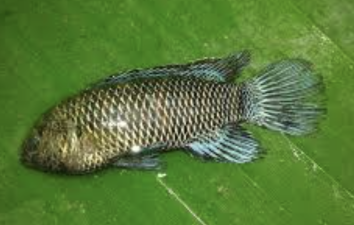
A new estuarine fish species has been identified from the Rupnarayan River near Tamluk in West Bengal. The species, named Butis bargabhimae, belongs to the butid family, commonly known as gudgeon gobies. The discovery underlines the rich but still underexplored biodiversity of India’s river and estuarine ecosystems.
Discovery in the Rupnarayan River
Researchers from Tamralipta Mahavidyalaya and Vidyasagar University identified the species through field work carried out between June 2022 and August 2024. Seven specimens were collected with the help of local fishermen using traditional hand nets and trawl nets. The fish initially appeared similar to known species, but detailed study showed clear differences.
Distinct Physical Features
The new species was confirmed through a combination of morphological examination and DNA analysis. It differs from related species in several ways:
- It has interorbital scales between the eyes.
- It has additional auxiliary scales on the body.
- It shows distinct light and dark bands on the pectoral fins.
- Its body traits do not match existing descriptions of nearby species.
These features helped scientists separate it from similar estuarine fish.
DNA Evidence and Taxonomic Significance
Laboratory testing showed that the DNA of Butis bargabhimae is only about 86% similar to its nearest relatives. This genetic gap confirmed that it is a separate species. The finding also clarified earlier confusion in fish identification, as some specimens from Bangladesh and other parts of India were likely misidentified and may belong to this species or closely related forms.
Scientific and Cultural Importance
The species name, bargabhimae, honours Bargabhima, a local Hindu deity associated with the Tamluk region. The discovery marks both the biological richness of India’s river systems and the value of community participation in biodiversity research. It also suggests that many more species may remain undiscovered in estuarine habitats.
Last Modified: April 29, 2026