
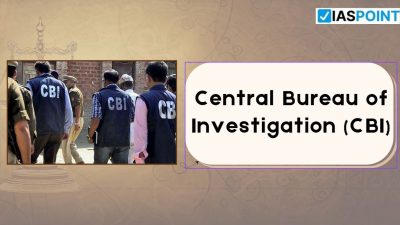
The Central Bureau of Investigation (CBI) is India’s premier investigative agency. It operates under the Ministry of Personnel, Pension, and Public Grievances. Established in 1963, the CBI investigates serious crimes, including corruption, economic offences, and organized crime.
Historical Background
The CBI originated as the Special Police Establishment in 1941. It aimed to combat corruption during World War II. The Santhanam Committee later recommended its establishment. The Delhi Special Police Establishment Act, 1946, formalized its powers. Over time, the CBI expanded its scope to include various serious crimes.
Functions of the CBI
The CBI has multiple functions:
- Investigate corruption and maintain integrity in administration.
- Handle serious crimes with national and international implications.
- Coordinate with state police and anti-corruption agencies.
- Assist the Central Vigilance Commission in corruption matters.
- Represent India in INTERPOL communications.
Types of Cases Handled
The CBI investigates several types of cases:
- Anti-Corruption Crimes: Cases under the Prevention of Corruption Act against public officials.
- Economic Crimes: Major financial scams, including bank frauds and cyber crimes.
- Special Crimes: Serious and organized crimes, including terrorism and kidnappings.
- Suo Moto Cases: Investigations initiated by the CBI in Union Territories.
Investigative Powers
The CBI derives its powers from the Delhi Special Police Establishment Act. It can investigate cases with the consent of state governments. The Supreme Court can also authorise investigations without state consent.
Limitations and Challenges
The CBI faces several challenges:
- Political Interference: Often accused of being influenced by the government.
- Delayed Investigations: Criticised for slow case resolutions.
- Lack of Accountability: Exempt from the Right to Information Act.
- Personnel Shortage: Faces recruitment and staffing issues.
- Limited Jurisdiction: Requires state consent to operate in certain areas.
Director of CBI
The Director of the CBI is appointed based on a committee recommendation. This committee includes the Prime Minister, Leader of Opposition, and a Supreme Court judge. The Director has a tenure of two years, extendable under specific conditions.
Recent Developments
In recent years, several states have withdrawn consent for CBI investigations. This withdrawal hampers the agency’s ability to operate effectively. The Supreme Court has raised concerns about the CBI’s autonomy and its relationship with the government.
CBI and the Right to Information Act
Initially, the CBI was not included in the RTI Act’s exempted organisations. In 2012, it was brought under the Act, allowing public access to certain information. However, strategic information remains protected.
CBI’s Conviction Rate
The CBI has a conviction rate of approximately 65-70%. This rate is comparable to some of the best investigative agencies globally. It reflects the agency’s effectiveness in prosecuting cases.
Significant Cases
The CBI has handled several high-profile cases, including:
- Hawala Scandal
- Bofors Scandal
- 2G Spectrum Scam
- Coal Scam
These cases often highlight the agency’s challenges with political pressure and public scrutiny.
Last Modified: February 25, 2024