
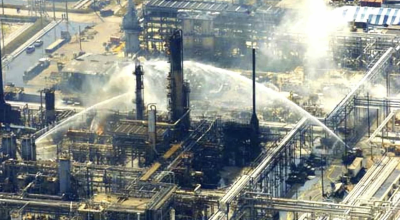
A major industrial blast occurred at a chemical plant in Raipur, Chhattisgarh, causing multiple casualties and extensive damage. Concurrently, a separate gas leak was reported at a nearby factory, leading to the evacuation of over 200 workers. Emergency services responded promptly to both incidents.
Details of the Chhattisgarh Blast
The blast took place at a chemical manufacturing unit located in the industrial area of Raipur. Initial reports confirmed at least 15 fatalities and over 40 injured persons. The explosion caused structural damage to adjacent buildings within a 500-metre radius. Firefighters controlled the blaze after five hours. The plant was involved in the production of industrial solvents.
Gas Leak Incident and Response
The gas leak occurred at a pesticide factory 10 kilometres from the blast site. The leaked gas was identified as methyl isocyanate, a toxic chemical. Over 200 workers were evacuated within 30 minutes of detection. Local hospitals admitted 25 persons with respiratory distress. The factory was sealed off for investigation and decontamination.
Safety Regulations and Compliance Status
Both factories were subject to the Factories Act, 1948 and the Environment Protection Act, 1986. Preliminary inspections revealed lapses in safety audits and emergency preparedness. The Chhattisgarh State Pollution Control Board has initiated inquiries into compliance with hazardous waste management rules. The Ministry of Labour has directed a safety audit of all chemical plants in the state.
Government and Institutional Actions
The Chhattisgarh government announced compensation of ₹5 lakh for each deceased victim. The National Disaster Response Force (NDRF) conducted rescue operations. The Ministry of Environment, Forest and Climate Change (MoEFCC) plans to review industrial safety protocols. Legal proceedings under the Indian Penal Code and the Environment Protection Act are underway.
What to Study for UPSC Exams?
- Industrial Safety Laws
- Disaster Management Framework
- Environmental Pollution Control
- Occupational Health and Safety
Industrial Safety Laws
Industrial Safety Laws regulate workplace conditions to prevent accidents and health hazards. The Factories Act, 1948 in India sets standards on worker safety, health, and welfare. Globally, OSHA (Occupational Safety and Health Administration) in the US enforces safety regulations. These laws mandate safety audits, protective equipment, and emergency protocols to minimize industrial risks.
Disaster Management Framework
Disaster Management Frameworks define structures for preparedness, response, recovery, and mitigation of disasters. The Sendai Framework (2015-2030) is a global blueprint reducing disaster risks. India’s Disaster Management Act, 2005 established the National Disaster Management Authority (NDMA) for coordinated disaster response and planning.
Environmental Pollution Control
Environmental Pollution Control involves measures to reduce air, water, and soil contamination. The Environment Protection Act, 1986 in India empowers regulation of hazardous substances. Techniques include emission standards, effluent treatment plants, and waste management protocols. The Clean Air Act (US, 1970) was pioneering in controlling atmospheric pollutants.
Occupational Health and Safety
Occupational Health and Safety (OHS) focuses on preventing workplace illnesses and injuries. It covers ergonomic design, exposure limits to chemicals, and health surveillance. The WHO estimates 2 million annual deaths globally from work-related diseases. International standards like ISO 45001 guide OHS management systems.
Last Modified: April 15, 2026