
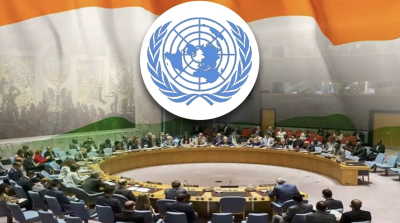
India has intensified its campaign for reforms in the United Nations Security Council (UNSC) to secure permanent membership. The initiative focuses on expanding the UNSC’s permanent seats to include emerging global powers. India has presented its case highlighting its economic growth, population size, and contributions to UN peacekeeping missions. The push involves diplomatic engagements with current UNSC members and other UN member states.
India’s Criteria for Permanent Membership
India emphasises representation of developing countries and regional balance in the UNSC. It cites its status as the world’s largest democracy and the second-most populous country. India contributes over 7,000 troops to UN peacekeeping operations, making it one of the largest troop contributors. The country also highlights its growing economic and strategic global role.
Proposed Expansion Models
India supports increasing permanent seats from five to at least ten or more. The G4 group, comprising India, Brazil, Germany, and Japan, advocates for simultaneous permanent membership expansion. Proposals include adding African representation and enhancing developing countries’ voices. India opposes any reform that excludes emerging powers or dilutes its influence.
Diplomatic Efforts and Challenges
India has engaged with the UN General Assembly and Security Council members to build consensus. Resistance comes from some permanent members and regional rivals like Pakistan and China. The current UNSC reform process remains stalled due to differing views on membership criteria and veto power. India continues to seek support from the African Union and other regional groups.
India’s Role in UN Peacekeeping
India has participated in over 50 UN peacekeeping missions since 1950. It currently deploys the second-highest number of troops globally for UN missions. India’s peacekeepers have served in conflict zones across Africa, the Middle East, and Asia. These contributions bolster India’s claim for a permanent UNSC seat.
What to Study for UPSC Exams?
- UN Security Council Structure
- Global Governance Reforms
- India’s Foreign Policy Strategies
- Peacekeeping Operations and International Law
UN Security Council Structure
The UNSC has 15 members: 5 permanent with veto power (US, UK, France, Russia, China) and 10 non-permanent elected for two years. It is responsible for maintaining international peace and security. The veto allows any permanent member to block substantive resolutions. Decisions require 9 affirmative votes, including all permanent members’ consent for substantive matters.
Global Governance Reforms
Global governance reforms aim to improve international institutions like the UN to reflect contemporary geopolitical realities. Reforms often focus on Security Council expansion, veto power limitations, and enhancing representation of developing countries. Challenges include conflicting national interests, regional rivalries, and balancing sovereignty with global cooperation.
India’s Foreign Policy Strategies
India’s foreign policy emphasizes strategic autonomy, non-alignment, and multilateralism. It balances relations with major powers while promoting regional stability in South Asia. Economic diplomacy and soft power, including cultural ties and diaspora engagement, are key tools. India also pursues active roles in global forums like BRICS, G20, and the UN.
Peacekeeping Operations and International Law
UN peacekeeping operations deploy multinational forces to conflict zones under Security Council mandates. They operate under principles of consent, neutrality, and non-use of force except in self-defense. International law governs mandates, rules of engagement, and protection of civilians. Peacekeepers face challenges like complex conflicts, mandate ambiguities, and ensuring accountability.
Last Modified: April 15, 2026