
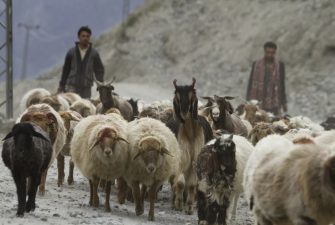
The Bakarwal nomadic tribe of Jammu and Kashmir is experiencing severe disruption in its traditional migration due to climate change. Between 20% and 30% of families have abandoned seasonal movement, remaining in Kashmir during winter. Warmer March temperatures have advanced the start of their ascent by one month. Unseasonal snowfall and early heatwaves have caused livestock losses of up to 50% in some seasons.
Disruption of Migration Patterns
The Bakarwals traditionally move between subtropical plains in winter and alpine meadows in summer. Climate change has caused unpredictable weather, including extreme snowstorms and heatwaves. Reduced snowfall and altered precipitation patterns have forced many families to halt migration. Migration routes have become unreliable due to weakened Western Disturbances, which provide 60-70% of the region’s winter precipitation but now carry less moisture and shift from snow to rain.
Impact on Livelihood and Culture
Declining snowfall and rising temperatures have degraded pasture quality, reducing grass nutritional value. Families face economic strain due to increased fodder purchases and high livestock mortality. Traditional knowledge transfer through migration routes is eroding among younger generations. Some families now spend winters in Kashmir’s apple orchards, exchanging grazing rights for guarding trees.
Government Policies and Initiatives
The Jammu and Kashmir Tribal Affairs Department has introduced Migration Smart Cards with integrated chips to ease movement. Plans include transit housing and Cluster Tribal Model Villages with improved infrastructure. Mobile schools and medical/veterinary units support families during migration. The SEED Scheme funds education, health insurance, and housing until 2026. Livelihood programmes promote mini sheep-farms and milk villages. The Vibrant Villages Programme enhances healthcare and digital access in border tribal areas.
Adaptation Strategies by Bakarwal Community
Families adjust migration schedules by up to one month to track temperature changes. Livelihood diversification includes paid daily labour and proximity to markets. Community resource pooling and government training in forage conservation address fodder shortages. Nomads receive training in sustainable grazing, acting as forest guardians within designated zones.
What to Study for UPSC Exams?
- Transhumance and Nomadic Tribes
- Climate Change Impacts on Livelihood
- Western Disturbances and Himalayan Weather
- Government Tribal Welfare Schemes
Transhumance and Nomadic Tribes
Transhumance is the seasonal movement of livestock between fixed summer and winter pastures, practiced globally by various nomadic tribes. It shapes ecological balance by preventing overgrazing and maintaining pasture health. Nomadic tribes rely on oral traditions for knowledge transfer, often lacking formal land ownership, making them vulnerable to policy changes and climate shifts.
Climate Change Impacts on Livelihood
Climate change alters precipitation patterns, causing droughts or floods that disrupt agriculture and pastoralism. Increased temperature extremes reduce crop yields and livestock productivity. Vulnerable communities face food insecurity, economic losses, and forced migration due to habitat degradation and resource scarcity.
Western Disturbances and Himalayan Weather
Western Disturbances are extratropical storms originating in the Mediterranean, bringing winter precipitation to the Himalayas. They contribute 60-70% of winter snowfall, crucial for glacier sustenance and river flow. Recent weakening and moisture reduction shift snowfall to rain, affecting water availability and agriculture downstream.
Government Tribal Welfare Schemes
Government tribal welfare schemes include education, health, housing, and livelihood support tailored for tribal populations. Examples are scholarships, health insurance, and skill development programs. Digital inclusion and infrastructure development aim to reduce disparities and promote sustainable tribal growth.
Last Modified: April 11, 2026