
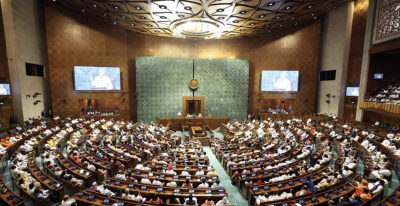
The delimitation exercise initiated in India has sparked widespread political debate regarding the allocation of Lok Sabha seats. The process involves redrawing parliamentary constituencies based on recent census data to reflect population changes. Key discussions focus on the impact of seat redistribution among states.
Delimitation Process and Legal Framework
Delimitation in India is conducted by the Delimitation Commission under the Delimitation Act. The commission uses the latest census data to adjust the boundaries and number of constituencies. The last major delimitation was based on the 2001 Census, with the current exercise aligned to the 2011 Census. The Constitution mandates delimitation to ensure equitable representation.
Seat Redistribution Among States
The exercise is expected to alter the number of Lok Sabha seats for several states. States with higher population growth may gain seats, while others may lose representation. This has led to political concerns in states likely to see reduced seats. The freeze on seat allocation based on the 1971 Census is set to end after 2026, allowing adjustments from the current exercise.
Political Responses and Regional Implications
Several political parties and state governments have expressed concerns over potential seat losses. States like Uttar Pradesh, Bihar, and Maharashtra are central to the debate due to their large number of parliamentary seats. Regional parties argue for protection of their political influence amid seat redistribution.
Implementation Timeline and Challenges
The Delimitation Commission aims to complete the exercise before the next general elections. Challenges include political opposition, legal disputes, and logistical issues in redrawing boundaries. The final delimitation order will be legally binding and cannot be challenged in court.
What to Study for UPSC Exams?
- Delimitation Commission Functions
- Constitutional Provisions on Representation
- Federalism and State Representation
- Electoral Reforms in India
Delimitation Commission Functions
The Delimitation Commission is a high-powered body in India tasked with redrawing parliamentary and assembly constituencies based on census data. It operates under the Delimitation Act and its orders have the force of law, immune to judicial review. The commission ensures equal representation by adjusting constituency boundaries to reflect population changes.
Constitutional Provisions on Representation
Articles 81 and 170 of the Indian Constitution govern the allocation of seats in the Lok Sabha and State Assemblies respectively. The Constitution mandates periodic delimitation to ensure proportional representation based on population. The 42nd Amendment froze seat allocation until 2000, later extended to 2026, to stabilize regional political balance.
Federalism and State Representation
India’s federal structure balances powers between the Union and states, with representation in Parliament reflecting population and state interests. Seat allocation in the Lok Sabha is population-based, while Rajya Sabha representation is equal for states. Delimitation impacts federal equilibrium by adjusting the political weight of states.
Electoral Reforms in India
Electoral reforms include measures like the introduction of Electronic Voting Machines (EVMs), the Model Code of Conduct, and the establishment of the Election Commission as an autonomous body. Reforms aim to enhance transparency, reduce malpractices, and improve voter participation. Recent discussions focus on campaign finance regulation and voter ID laws.
Last Modified: April 16, 2026