
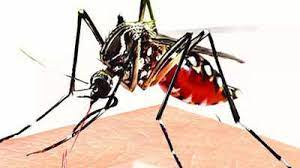
Dengue fever, caused by Dengue viruses (DENVs), is a significant public health concern in tropical regions worldwide. Aedes mosquitoes act as vectors for these arboviruses, transmitting the infection to humans. Among the four serotypes (DENV-1 to DENV-4), DENV-2 presents unique challenges for vaccine development due to its immune complexities and the lack of cross-protection among serotypes.
DENV-2: An Overview
Dengue Virus Serotype 2 (DENV-2) is one of the four distinct serotypes of the dengue virus. This mosquito-borne RNA virus is responsible for causing dengue fever in humans. The disease manifests as a flu-like illness with symptoms such as high fever, severe headaches, joint and muscle pain, skin rash, and, in some cases, hemorrhagic manifestations.
Transmission by Aedes Mosquitoes
DENV-2 is primarily transmitted by Aedes mosquitoes, with Aedes aegypti being the most common vector. These mosquitoes are prevalent in tropical and subtropical regions, making them efficient carriers of the virus. When an infected mosquito bites a human, it transmits the virus, leading to dengue fever.
Global Distribution
DENV-2 is widely distributed in dengue-endemic regions across the globe. Its presence is a cause for concern in areas where dengue outbreaks occur frequently. Due to globalization and increased travel, the virus can spread to new regions where the population might have little to no immunity against it, potentially leading to more severe outbreaks.
Clinical Implications of DENV-2
Among the four serotypes, DENV-2 has been associated with an increased risk of severe dengue manifestations. Haemorrhagic fever is one of the severe forms of the disease and may lead to multi-organ failure. Patients infected with DENV-2 are at higher risk of developing dengue shock syndrome, a life-threatening condition characterized by a sudden drop in blood pressure.
Challenges in Vaccine Development
Developing an effective vaccine against dengue has proven to be a challenging task, particularly concerning DENV-2. One major obstacle is the phenomenon known as antibody-dependent enhancement (ADE). ADE occurs when a person previously infected with one serotype becomes more susceptible to severe disease upon subsequent infection with a different serotype. This phenomenon poses significant hurdles in developing a vaccine that provides cross-protection against all four serotypes.
Importance of Early Diagnosis and Management
Healthcare professionals, such as Dr. Rommel Tickoo and Dr. Suranjit Chatterjee, play a crucial role in diagnosing and managing dengue cases caused by DENV-2. Early detection and appropriate medical care can significantly improve patient outcomes, especially in severe cases.
Mitigation and Prevention Strategies
Given the challenges in vaccine development and the potential for severe dengue outbreaks, it is essential to focus on mitigation and prevention strategies. Public health initiatives should emphasize mosquito control measures, such as eliminating breeding sites and using insecticides. Early warning systems can help healthcare authorities prepare for and respond to dengue outbreaks promptly.
Last Modified: February 22, 2024