
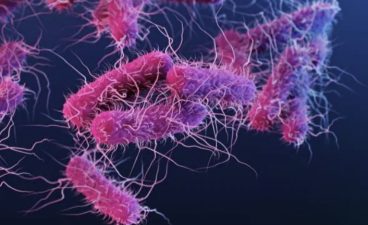
Recently, the United States is grappling with an important outbreak of E. coli infections linked to contaminated food sources. While E. coli is a common bacterium found in the environment, only specific strains are harmful. This ongoing public health issue marks the importance of understanding E. coli, its transmission, and the necessary precautions to prevent infection.
About E. Coli
Escherichia coli, commonly known as E. coli, is a diverse group of bacteria. Most strains are harmless and reside in the intestines, contributing to digestion. However, pathogenic strains, particularly those producing Shiga toxin, can lead to severe health complications. It is noteworthy that even minute quantities of these bacteria can trigger infections, making E. coli a particularly insidious threat.
Transmission of E. Coli
E. coli can be transmitted through various routes: 1. Contaminated Food: Consumption of undercooked or raw foods, especially leafy greens and meats, poses an important risk. 2. Contaminated Water: Water sources can become tainted through faecal contamination from infected individuals or animals. 3. Person-to-Person Contact: Sharing personal items or surfaces with an infected person can facilitate transmission. 4. Poor Hygiene Practices: Inadequate handwashing, especially after using the bathroom or handling raw food, increases the risk of infection.
Symptoms of E. Coli Infection
Infections may manifest within hours to ten days post-exposure. Common symptoms include: – Watery diarrhoea, which may become bloody – Abdominal cramps and pain – Nausea and vomiting – Fever and loss of appetite In the case of urinary tract infections (UTIs), symptoms may differ, presenting as pelvic pain, burning during urination, and frequent urges to urinate.
Risk Factors
While E. coli can infect anyone, certain groups are more susceptible: – Children and Elderly: Their immune systems are often less robust. – Individuals with Compromised Immunity: Those on immunosuppressive medications or with chronic health conditions face higher risks. – Reduced Stomach Acid: Medications that lower stomach acid can diminish the body’s natural defence against E. coli.
Treatment and Resistance Issues
E. coli infections are typically treatable with antibiotics. However, the emergence of antibiotic-resistant strains poses a serious challenge. Overuse of antibiotics contributes to this resistance, complicating treatment options. A sensitivity test may be necessary to determine the most effective antibiotic.
Preventative Measures
To mitigate the risk of E. coli infections, the following measures are crucial: – Food Safety: Ensure thorough cooking of meats and proper washing of fruits and vegetables. – Water Safety: Avoid drinking untreated water and ensure swimming pools are properly chlorinated. – Hygiene Practices: Regular handwashing, especially after using the toilet and before eating, is essential.
Last Modified: October 25, 2024