
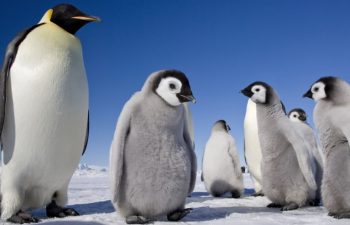
The International Union for Conservation of Nature (IUCN) officially reclassified the emperor penguin (Aptenodytes forsteri) as Endangered on 9 April 2026. This marks a significant shift from its previous status of Near Threatened. The reclassification reflects rapid population declines primarily caused by human-induced climate change. The emperor penguin’s survival is closely linked to the stability of Antarctic sea ice, which is diminishing due to rising global temperatures.
Reasons for Endangered Status
The primary cause behind the emperor penguin’s decline is the loss of Antarctic sea ice, especially the “fast ice” that remains attached to the coast and is crucial for breeding and chick rearing. Since 2016, record lows in sea ice extent have led to early ice break-ups, resulting in catastrophic breeding failures. Chicks often drown or freeze when their ice platforms collapse. Additionally, melting ice at molting sites forces penguins into the ocean before their feathers fully regrow, increasing vulnerability. Satellite data indicates a 10% decline in adult populations between 2009 and 2018, with projections suggesting the global population could halve by the 2080s.
Impact on Antarctic Ecosystem
The emperor penguin is considered a sentinel species, signalling broader ecological distress in Antarctica. Alongside the penguin, the Antarctic fur seal has been reclassified from Least Concern to Endangered after a population drop exceeding 50% since 1999, mainly due to krill scarcity caused by warming oceans. The Southern elephant seal has been moved to Vulnerable status following mass pup die-offs linked to avian flu outbreaks exacerbated by climate change. These changes highlight the cascading effects of environmental shifts on Antarctic biodiversity.
Proposed Conservation Measures at ATCM 48
The 48th Antarctic Treaty Consultative Meeting (ATCM 48), scheduled in Hiroshima, Japan, from 11–21 May 2026, will focus on granting emperor penguins the highest legal protection under the treaty. Proposed measures include designating the species as Antarctic Specially Protected Species (SPS), enforcing strict permitting to limit human interference, expanding Antarctic Specially Protected Areas (ASPAs) at breeding sites, and regulating tourism and shipping activities. The meeting also aims to formalise liability rules for environmental damage, making operators financially responsible for cleanup after accidents.
Challenges in International Cooperation
Despite the urgency, the ATCM requires unanimous consensus for decisions, which has previously stalled protective measures for emperor penguins in 2022 and 2024. The new Endangered status may help break this deadlock. However, balancing environmental protection with increasing Antarctic tourism and shipping remains a challenge. Effective international collaboration will be crucial to implement and enforce these conservation efforts.
What to Study for UPSC Exams?
- Antarctic Treaty System
- Climate Change Impact on Polar Regions
- Marine Protected Areas (MPAs)
- Species Conservation Categories
- Human-Wildlife Conflict in Antarctica
Antarctic Treaty System
Established in 1959, the Antarctic Treaty System governs international relations on Antarctica, prohibiting military activity and mineral mining. It designates Antarctica as a scientific preserve with freedom of research and bans nuclear explosions and waste disposal. The treaty currently has 54 parties and includes related agreements on conservation and environmental protection.
Climate Change Impact on Polar Regions
Polar regions are warming twice as fast as the global average, causing accelerated ice melt and sea level rise. Thawing permafrost releases methane, a potent greenhouse gas. Changes disrupt native species’ habitats and global ocean circulation patterns, influencing worldwide climate systems.
Marine Protected Areas (MPAs)
MPAs are designated ocean regions that restrict human activity to conserve biodiversity. The largest MPA is the Ross Sea Marine Protected Area in Antarctica, covering 1.55 million km². MPAs help protect breeding grounds, regulate fisheries, and preserve vulnerable marine ecosystems.
Species Conservation Categories
IUCN Red List categories range from Least Concern to Extinct, assessing extinction risk based on population trends, habitat status, and threats. Categories include Vulnerable, Endangered, and Critically Endangered, guiding conservation priorities and legal protections globally.
Human-Wildlife Conflict in Antarctica
Human presence in Antarctica introduces risks such as disturbance to breeding sites, disease transmission, and pollution. Tourism and research activities can stress wildlife like penguins and seals. Strict protocols and permit systems aim to minimize these conflicts under international agreements.
Last Modified: April 11, 2026