
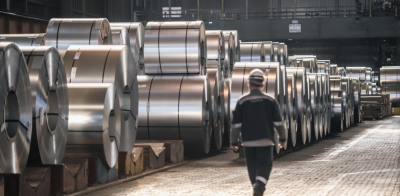
The European Union announced measures to reduce steel imports and increase tariffs to protect its steel industry. The new regulations target countries with high export volumes to the EU. The measures include import quotas and tariff rate adjustments effective from mid-2024.
Import Quotas and Tariff Rates
The EU set specific import quotas for steel products from non-EU countries. Imports exceeding these quotas will face tariffs up to 25%. The quotas apply to flat steel products, pipes, and tubes. The tariff increase aims to balance supply and demand within the EU market.
Targeted Countries and Products
The restrictions focus on imports from countries with significant steel exports to the EU, including China, Russia, and Turkey. The measures cover both finished steel products and semi-finished steel. Certain countries with trade agreements with the EU are exempted from quotas but may face tariff adjustments.
Industry and Economic Data
EU steel production accounts for approximately 160 million tonnes annually. Imports constitute about 30% of EU steel consumption. The steel sector employs around 330,000 workers across member states. Steel prices in the EU have fluctuated due to global supply chain disruptions and import surges.
Implementation and Enforcement
The European Commission will monitor import volumes monthly. Customs authorities in member states will enforce tariff applications. Non-compliance may result in penalties or import bans. The measures will be reviewed annually based on market conditions and trade data.
What to Study for UPSC Exams?
- International Trade Regulations
- Global Steel Industry Dynamics
- EU Trade Policy Mechanisms
- Customs Tariffs and Quotas
International Trade Regulations
International trade regulations govern cross-border exchange of goods, services, and capital. The World Trade Organization (WTO) sets global rules to reduce trade barriers and resolve disputes. Regulations include tariffs, quotas, anti-dumping measures, and trade agreements. Compliance ensures fair competition and market access while protecting domestic industries.
Global Steel Industry Dynamics
The global steel industry is dominated by China, producing over 50% of worldwide steel. Steel demand correlates with construction and manufacturing growth. Key trends include shifts toward electric arc furnace technology and recycling. Trade tensions and environmental policies significantly impact production and pricing.
EU Trade Policy Mechanisms
The EU trade policy is managed by the European Commission to regulate imports and exports. Mechanisms include Common External Tariffs, anti-dumping duties, safeguard measures, and trade agreements. Policies aim to balance market openness with protection of EU industries and compliance with WTO rules.
Customs Tariffs and Quotas
Customs tariffs are taxes on imported goods to protect domestic industries or generate revenue. Quotas limit the quantity of goods imported during a period. Both tools regulate trade flow, influence prices, and are subject to international agreements to prevent unfair trade practices.
Last Modified: April 14, 2026