
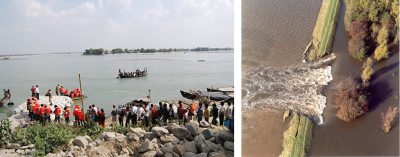
The recent study by Kosi Nav Nirman Manch has uncovered alarming deficiencies in flood relief efforts in Bihar. It surveyed 1,081 families across four districts. The findings reveal a stark reality for those affected by floods. Many families received no government assistance. The early warning system, intended to alert citizens, failed to reach portion of the population. This raises serious concerns about disaster management protocols in the region.
Study Overview
The study focused on families in Supaul, Saharsa, Madhubani, and Darbhanga. It aimed to assess the effectiveness of flood response mechanisms. The results indicate a severe lack of support for flood victims. Only 26.2 per cent of families received alerts from official sources. This marks a critical gap in communication during emergencies.
Impact of Early Warning System
The early warning system is essential for timely evacuations. However, 73.8 per cent of families depended on informal networks for information. Many alerts arrived too late, leaving families with little time to evacuate. A number of families misjudged the severity of the situation. This miscalculation led to tragic outcomes.
Rescue Operations and Evacuations
Government-led rescue operations were inadequate. Only 8.3 per cent of families were evacuated using government boats. The majority had to rely on private transport. This not only increased their financial burden but also brought into light the inefficacy of government efforts. Many families faced dire situations without proper evacuation support.
Relief and Rehabilitation Challenges
Access to relief camps was limited. About 69.3 per cent of families reported no access to shelters or community kitchens. Compensation for losses was also lacking. Although 58.6 per cent received ex-gratia payments, many families received nothing. The absence of aid for household items and livestock exacerbated their suffering.
Public Hearing and Survivor Accounts
A public hearing in Patna brought attention to these issues. Survivors shared their harrowing experiences. Many families, like Rekha Devi’s, faced immense struggles without rehabilitation. Justice Arun Kumar’s criticism of the government’s relief mechanisms puts stress on the urgent need for reform.
Call for Policy Reforms
The study and subsequent public hearing highlight the need for comprehensive policy reforms. Effective disaster management strategies must be developed. This includes improving communication systems and ensuring timely evacuations. The government must prioritise support for flood victims to prevent future tragedies.
Questions for UPSC:
- Critically analyse the effectiveness of disaster management systems in India, focusing on recent flood events.
- Estimate the impact of inadequate communication on disaster preparedness and response in flood-prone areas.
- Point out the socio-economic consequences of inadequate flood relief measures on affected communities.
- What are the key components of a successful early warning system? How can they be implemented in disaster-prone regions?
Answer Hints:
1. Critically analyse the effectiveness of disaster management systems in India, focusing on recent flood events.
- Disaster management systems often suffer from poor coordination between state and central agencies.
- Recent floods highlight failures in timely warnings and evacuations, as seen in Bihar.
- Inadequate training and resources for local responders hinder effective disaster response.
- Community involvement and awareness are often lacking, impacting preparedness.
- Policy reforms are essential to enhance resilience and response capabilities in flood-prone areas.
2. Estimate the impact of inadequate communication on disaster preparedness and response in flood-prone areas.
- Poor communication leads to misinformation, causing delays in evacuations and responses.
- 73.8% of families in Bihar relied on informal networks, indicating a lack of trust in official alerts.
- Late alerts resulted in families having insufficient time to prepare, increasing casualties.
- Effective communication is critical for timely resource allocation and coordination among agencies.
- Investing in robust communication infrastructure can enhance disaster preparedness.
3. Point out the socio-economic consequences of inadequate flood relief measures on affected communities.
- Lack of relief exacerbates poverty, as families incur debts for private transport and recovery.
- Inadequate compensation leads to loss of livelihoods, impacting long-term economic stability.
- Social cohesion is strained as communities face disputes over land and resources post-disaster.
- Psychological impacts, including trauma and stress, affect community health and well-being.
- Long-term neglect can result in migration and loss of human capital in affected areas.
4. What are the key components of a successful early warning system? How can they be implemented in disaster-prone regions?
- Timely and accurate data collection is crucial for effective warning systems.
- Integration of technology, such as mobile alerts and social media, can enhance reach.
- Community training and awareness programs can improve response to warnings.
- Collaboration with local organizations ensures messages are culturally relevant and understood.
- Regular drills and updates to the warning system can maintain preparedness and effectiveness.