
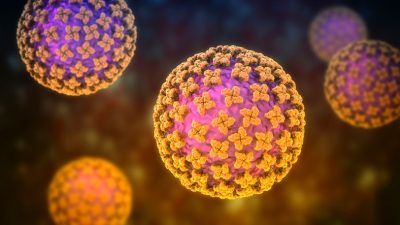
The tragic deaths of actor Gene Hackman and his wife Betsy Arakawa brought into light the dangers of hantavirus pulmonary syndrome (HPS). The couple was found dead in their Santa Fe apartment, with Arakawa’s death linked to HPS. This incident raised awareness about the hantavirus and its transmission.
What Is Hantavirus?
Hantavirus is a family of viruses primarily spread by rodents. It can lead to severe illness in humans. The viruses are transmitted through contact with rodent urine, faeces, and saliva. Notably, hantaviruses do not spread from human to human.
Types of Hantavirus
There are several types of hantavirus, each associated with different rodent species. Hantavirus pulmonary syndrome is most common in the Americas and is primarily carried by the deer mouse. In contrast, haemorrhagic fever with renal syndrome is prevalent in Europe and Asia.
Symptoms of Hantavirus Pulmonary Syndrome
Symptoms of HPS typically appear one to eight weeks after exposure. Early signs include fatigue, fever, and muscle aches. As the disease progresses, respiratory issues develop, including shortness of breath and chest tightness due to fluid accumulation in the lungs. The CDC estimates a mortality rate of approximately 38% for those who develop respiratory symptoms.
Diagnosis and Treatment
There is currently no cure for HPS. Early detection is vital for improving outcomes. Some antiviral medications may alleviate symptoms, but they do not cure the disease. Patients with severe respiratory distress may require supportive care, such as mechanical ventilation.
Prevention Measures
Preventing hantavirus infection involves minimising contact with rodent droppings. Individuals in high-risk areas should wear gloves and a mask when cleaning rodent-infested spaces. Cleaning should be done using wet methods to avoid aerosolising particles. Disinfectants such as bleach solutions are recommended for sanitising contaminated areas.
Public Awareness and Education
Increased awareness of hantavirus is essential, especially for those living in rural or wooded areas. Educational campaigns can help inform the public about the risks and prevention strategies. About the symptoms and seeking timely medical attention can save lives.
Research and Future Directions
Ongoing research aims to better understand hantavirus and its effects. Scientists are studying the ecology of rodent hosts and developing potential vaccines. Continued surveillance and public health initiatives are crucial in managing this public health threat.
Questions for UPSC:
- Estimate the impact of zoonotic diseases on public health in urban areas.
- Critically discuss the role of public health education in preventing infectious diseases.
- Examine the ecological factors contributing to the spread of rodent-borne viruses.
- Point out the challenges in developing vaccines for zoonotic diseases and their implications for global health.
Answer Hints:
1. Estimate the impact of zoonotic diseases on public health in urban areas.
- Zoonotic diseases can lead to morbidity and mortality, impacting healthcare systems.
- Urban areas with high population density may experience rapid transmission of zoonotic infections.
- Environmental factors, such as pollution and urban wildlife, can increase exposure to zoonotic pathogens.
- Economic burdens include healthcare costs and loss of productivity due to illness.
- Public health surveillance is crucial in urban settings to monitor and control outbreaks.
2. Critically discuss the role of public health education in preventing infectious diseases.
- Public health education raises awareness about disease transmission and prevention methods.
- Effective communication strategies can change behaviors and promote vaccination and hygiene practices.
- Education empowers communities to recognize symptoms and seek timely medical care.
- Targeted campaigns can address specific populations at higher risk of infectious diseases.
- Collaboration with local organizations enhances outreach and effectiveness of educational initiatives.
3. Examine the ecological factors contributing to the spread of rodent-borne viruses.
- Rodent populations thrive in urban environments due to available food and shelter.
- Climate change can alter habitats, affecting rodent behavior and virus transmission dynamics.
- Urbanization disrupts ecosystems, potentially increasing human-rodent interactions.
- Poor waste management practices can attract rodents, facilitating disease spread.
- About rodent ecology is essential for developing effective control measures and reducing risks.
4. Point out the challenges in developing vaccines for zoonotic diseases and their implications for global health.
- High genetic variability of zoonotic pathogens complicates vaccine development.
- Animal models for testing vaccines can be costly and ethically challenging.
- Funding and resource allocation for zoonotic disease research are often limited.
- Global collaboration is necessary but can be hindered by political and logistical issues.
- Vaccination programs must address public perception and trust in vaccines for success.